

When we talk about environmental pollution, it is easy to blame factories, industries, or governments. But the reality is far closer to our home: according to the United Nations, global greenhouse gas emissions have already crossed 50 gigatons every year, and a surprising share of this comes from household activities. Think about the little things we do each day. Leaving the washroom light on. Riding a bike for just a few hundred meters. Letting the tap run while brushing our teeth. Throwing away leftover food. Using single-use plastics. Each of these moments feels small and harmless. When multiplied by millions of people across the world create massive waves of destruction such as warmer winters, irregular rainfall, contaminated water, and air that is harder to breathe.
This article looks at seven of these everyday habits along with their impacts and solutions. They may appear to be ordinary choices, but they are actually daily habits harming the planet, slowly putting the lives of plants, animals, and even humans in danger.
The truth is simple. The planet will survive, as it always has, but the real question is whether we will or not?
Everyday Habits Harming the Planet We Often Ignore
Plastic: Convenience, Inconvenience Life
Initially, plastic may feel like magic because it carries our groceries, holds our water, and wraps our snacks. For a few minutes it makes life easier. But once we throw it away, it comes back in troubling ways such as clogs landfills, floats across oceans, and slips back into our food and water as a tiny microplastics. Every moment of comfort carries a heavy price to pay in the future. As explained in our article on The Environmental Cost of Ignoring Nature, human convenience often leads to long-term environmental damage.
Impacts
- Plastic waste takes hundreds of years to break down and stays in the environment for generations.
- Marine animals often ingest plastic or become entangled in it, leading to thousands of painful deaths every year.
- Microplastics have silently penetrated in the food and water systems. According to Orb Media, about 80% of tap water worldwide contains microplastics, raising serious health concerns for humans.
- Globally, only about 9% of all plastic ever produced has been recycled, meaning the rest continues to pile up in landfills, rivers, and oceans.
Way Ahead
Refuse single-use plastic: Carry a cloth bag, steel water bottle, or reusable container.
Choose alternatives: opt for paper, bamboo, or biodegradable products wherever possible. For example, in Chennai, Priya switched to jute tote after seeing turtles trapped in plastic (NIO). “My tote’s my pride.”
Recycle responsibly: Segregate plastic waste at home and support recycling and reuse initiatives.
Community action: Join or organize clean-up drives, encourage eco-friendly habits, and always dispose of plastic in dustbins instead of streets or open spaces.
Policy push: Push for laws that limit single-use plastics and make companies responsible, so that everyone plays a part in protecting our planet.
Short Drive, Short Life
What feels like a harmless habit of taking the car or bike for a short trip, whether for comfort, out of habit, or even to show off, slowly turns dangerous when millions of people do the same, fueling bigger problems for our health, the environment, and the climate.
Impacts
- Short trips burn more fuel and emit up to 50% more pollutants because engines are cold (EPA, USA).
- Vehicle exhaust increases particulate matter, a leading cause of asthma and lung disease (WHO estimates 7 million deaths annually from air pollution).
- Frequent short drives add significant greenhouse gases, contributing to climate changes such as unpredictable rainfall, warmer winters and harsher summers.
Caste study
In cities like Delhi, researchers have linked vehicle pollution not only cause to premature deaths but also to rising healthcare costs, showing the hidden price of our daily choices.
Eco-friendly shifts
- Choose Walking or cycling for short distances to mitigate emissions and boost up mental and physical health.
- Plan small tasks together instead of making many short trips separately. In doing so, you can save fuel, time and money.
- Turn off your engine while waiting in traffic. It saves fuel and keeps the air cleaner.
- Drive smoothly, avoid sudden acceleration, and maintain your vehicles regularly to improve fuel efficiency.
- Support safer sidewalks, bike lanes, and public transport that is safe, frequent, and easy to use, so green choices are easier for everyone. For example, Copenhagen increased cycling by building safe bike lanes, reducing car trips by 14%.
Mindless Electricity Use, Silent Damage
Turning off every switch is a small yet meaningful victory for the planet. Leaving lights on, running fans in empty rooms, charging devices overnight, or forgetting to switch off appliances may seem harmless, but these everyday habits quietly increase energy demand, strain the power grid, and contribute to carbon emissions.
Effects
- Unnecessary electricity consumption increases carbon emissions and makes climate unfavorable. For example, global residential energy use accounts for about 21% of total electricity consumption (IEA, 2023).
- Higher energy demand drives more coal, gas, and fossil fuel-based power generation, consequently polluting air and water.
- Overuse puts pressure on power grids, causing higher energy costs.
- Wasteful electricity use also contributes indirectly to resource depletion, including water used in power plants.
Remedies
- Switch off lights, fans, and appliances when those are not in use, and unplug chargers to prevent extra power waste and minimize bill charge.
- Choose LED bulbs and energy-saving appliances to lower electricity consumption.
- Use timers or motion sensors to control lights and devices automatically wherever possible.
- Rely on natural ventilation, fans, and simple temperature control devices instead of excessive air conditioning or heating.
- Encourage your family and roommates to adopt energy conscious habits, small changes can lead to big results.
- Explore renewable options, like rooftop solar panels if feasible, to reduce dependence on fossil fuels.
Wasting Food, Wasting Earth
Have you ever thought about how food travels from the field to your plate?
It’s a long journey shaped by farmers’ hard work, laborers’ sweat, and resources like water, energy, and money. Yet, when we cook more than needed, throw leftovers into the bin, or let fresh food spoil without care, we are not just wasting food simultaneously we are disrespecting the people and resources behind it.
Consequences
- Resource loss: Growing crops, harvesting, processing, and transporting food uses about 24% of freshwater globally (FAO, 2023). Wasted food means wasting all links like money, effort, time, energy and water as well.
- Social cost and economic burden: Even today, around 673 million people worldwide go to bed hungry, showing how every grain of food we waste could have been someone’s meal.
- Greenhouse gas emissions: Uneaten food rotting in landfills produces methane, a greenhouse gas 28 times more potent than CO₂ (EPA).
- Deforestation & Habitat loss: When food is wasted, more farmland is cleared up to meet demand, which destroys forests and displaces wildlife from their natural homes.
Solutions
- Plan meals and shop smartly: Buy only what you need, in the right amounts, and avoid unnecessary purchases.
- Store food properly: Use airtight containers, refrigerate, and keep older items in front so that they are used first. For instance, In India, poor storage causes 40% vegetable loss, which is equivalent to the methane emissions of 1.5 million cars (WRI).
- Reuse leftovers: Transform extra food into new meals, if possible, instead of throwing it away.
- Compost organic waste: Food scraps can be converted into nutrient-rich compost. In this way waste can be converted into wealth by improving soil health and increasing crop production.
- Raise awareness: Encourage family, friends, and communities to value food and minimize waste.
Disposal Comforts, Permanent Damage
Careless disposal of items like old electronics, batteries, paints, and household chemicals often ends up in landfills or drains. Over time, these items leak toxic substances into soil and water, disrupting ecosystems and threatening both wildlife and human health.
Impacts
- Toxic contamination: Harmful chemicals from e-waste and batteries seep into soil and groundwater, reduces soil fertility and potable water.
- Wildlife at risk: Animals often swallow or get tangled in discarded items, causing serious injury or even death.
- Mountains of waste: Plastics and non-biodegradables can sit in landfills for decades, changing the landscape forever.
- Ecosystem harm: Chemicals from discarded electronics and batteries disrupt plants and soil life, affecting crops and the animals that depend on them.
Solutions
- Dispose hazardous waste properly: For example, Guiyu in China became known as the ‘world’s e-waste capital.’ Discarded electronics were broken down manually and unsafely, releasing toxic chemicals into rivers, soil, and air. Tests showed children had lead levels nearly five times higher than normal, highlighting the dangers of careless electronic waste disposal.
- Recycle smartly: Separate metals, glass, plastics, and e-waste, and give them to trusted local recyclers or community collection drives.
- Think before you buy: Choose durable things that can stay long rather than single use plastic or short-lived ones.
- Community participation: Join neighborhood clean-ups and campaigns promote wise disposal of waste materials.
- Spread awareness: Teach family and friends how careless disposal can harm the planet long-term, and it should be taught in colleges regarding daily nuance heedless habits.
Running Taps, Running Out of Time
Water is one of the most indispensable resources for all living beings, yet many of us still treat it as if it will never run out. Leaving taps running while brushing, washing vegetables, or cleaning dishes may look like a small act of convenience. But these innocent habits, when multiplied across millions of homes, silently drain rivers, lower groundwater levels, leave communities struggling for clean and safe water. What feels ordinary indoors is quietly swelling into a crisis outdoors.
Case study: Living or Surviving
In Ethiopia, 13-year-old Aysha spends around eight hours every day for fetching water. Before sunrise her day begins not with books, but jerrycans. She walks four hours under blazing sun to reach the nearest water source, fills a few cans with muddy water, and then walks another four hours back home. By the time she returns, she is exhausted and has very little time left for school, play, or even to take rest.
Her story shows the harsh reality of water scarcity, while many of us leave taps running, children like Aysha lose their childhoods walking long distances for just a few liters of water.
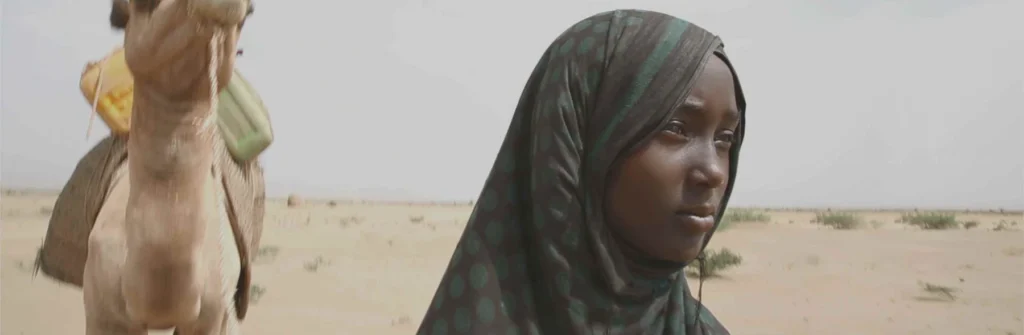
Source: UNICEF, Ethiopia
Impacts
Health issues: Unsafe water spreads diseases like cholera, diarrhea, and typhoid, causing thousands of deaths worldwide. Children and women, who often fetch water, are the most affected ones.
Water scarcity: Globally millions of people lack access to safe drinking water. Even in India, over 600 million people face high to extreme water stress (NITI Aayog, 2021).
Ecosystem disruption: Excessive use of water makes fade to achieve the missions of ‘life below water’ and ‘life on land’ (SDGs14, 15). Economic Strain: Wasting water not only raises your household bills but also puts extra pressure on public water supplies, making life harder for everyone
Eco-friendly shifts
Turn off taps when not in use: Don’t leave water running while brushing, washing vegetables, or cleaning dishes.
Don’t ignore a dripping tap: Tiny drops can add up to hundreds of liters wasted in a single month.
Reuse water: Collect water from washing vegetables or rainwater to use for plants or cleaning and adopt harvesting wherever possible, especially in water-scared regions.
Raise awareness: Talk to your family, friends, and neighbors about the importance of conserving water.
Insights: Every drop counts; wasting water today is to steal from tomorrow and takes away the basic rights of others.
One Less Page, One More Tree
Trees are not just admired for beautifying landscapes; they absorb CO₂ and provide fresh oxygen freely. Despite this, we often take them for granted. On paper, we write on one side and leave the other blank, moving on to the next. From cutting a tree to producing a single sheet, it takes energy, water, labor, and money. Careless courses of action may give momentary satisfaction, but collectively, it drains resources and increases deforestation.
Consequences
Deforestation: High paper demands compel huge number of trees cutting down, reducing forest cover and disrupting wildlife habitats. For instance, In the Amazon rainforest, vast areas are cut down every year for cattle grazing and soyabean production, most of it is used for animals feeding. This not only destroys habitats of jaguars, sloths, and countless bird species but also accelerates climate change by reducing the forest’s ability to absorb carbon.
Water and energy drain: Making paper is thirsty work. Studies show that producing just one ton can consume hundreds of thousands of liters of water and huge amounts of energy, while recycling paper cuts this burden drastically.
Hidden climate cost: When discarded paper rots in landfills, it releases methane gas far more powerful than CO₂, silently exacerbating climate change.
Ways forward
Afforestation and Sustainable Farming
- Encourage tree plantations in your community, schools, and public spaces.
- opt for water-efficient crops and sustainable agricultural practices to save water and soil.
- Support agroforestry or home gardening to increase green cover and biodiversity.
Conclusion
This planet is our shelter, and it is our duty to preserve it and keep it conducive. The change begins with small daily activities such as turning off lights when not needed, cooking only what is required, or walking and cycling for short distances. These habits harming the planet may seem insignificant, but together they shape the world we live in and the future we leave for the next generation.
If we do not take care of our home, the problems will only become worse in the future. Today, around 200 million hours are spent by women and girls fetching water every single day, and this number will solely rise instead of decreasing, if we do not act. While many of us enjoy clean water and comfort at home, millions like Aysha’s family struggle for basic survival, sacrificing dignity and childhood to secure a few liters of water.
As Robert Swan rightly said, “The greatest threat to our planet is the belief that someone else will save it.” It is not someone else’s duty, rather it’s ours. Let’s adopt eco-friendly habits, take responsibility, and act with urgency. By doing so, we can protect the Earth and ease the suffering of millions and proving that saving the planet is also an act of humanity.