
Nature is our lifeline: the oxygen we breathe, the food that sustains us, the water that quenches our thirst, and the soil that nourishes our crops. Yet, in the rush for convenience and development, we treat nature as something separate, something disposable. Ignoring it is like striking ourselves with our own hoe. Violating the laws of nature may feel easy today, but it creates a fragile foundation for the survival of future generations. The environmental cost of ignoring nature is becoming increasingly visible across the planet. This article explores the heavy costs of neglecting nature and offers practical, sustainable solutions to restore balance.
The high Cost of Neglecting Nature
The consequences of ignoring nature are not just financial; they affect lives, ecosystems, and the future of our planet in ways we can no longer overlook. These impacts are becoming visible everywhere, and the price humanity is paying keeps increasing.
Climate Change Impacts: Heat, Floods, and Droughts
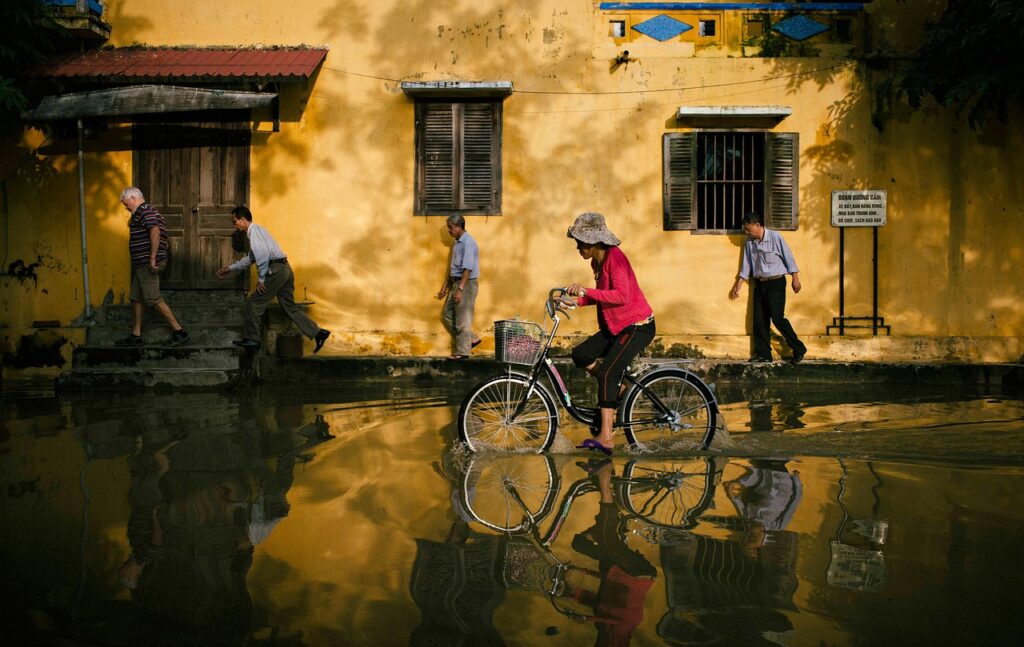
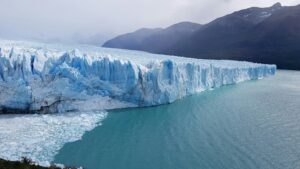
According to NOAA reported that 2024 was the warmest year ever recorded, with the planet now about 1.29°C hotter than pre-industrial times. Even a small rise in temperature is enough to drain a human of energy, just as slight climatic changes can trigger melting glaciers, heatwaves, droughts, and floods.
These changes are not distant warnings. They are already displacing millions of people, destroying farmers’ crops, and cutting away the livelihoods of entire communities. Our reckless and uncontrolled use of natural resources has made these situations even worse. The 2024 floods in Bangladesh affected more than two million people, and droughts across Sub-Saharan Africa have weakened food security for millions.
The difficult truth is that poorer and vulnerable nations suffer the harshest impacts, while developed countries, although less directly hit, continue to contribute a large share of the problem.
Plastic: From Miracle to Crisis
When plastic was first introduced in 1907 through the invention of Bakelite, it was welcomed as a miracle material. It helped protect elephants from ivory hunting and reduced the over-harvesting of turtles for their shells. During World War II, plastic even saved lives through helmets, parachutes, and essential medical supplies. By the 1950s, it had entered daily life in the form of bags, bottles, utensils, and packaging. It was promoted as cheap, light, and disposable.
Today, that same disposable culture has turned into a use-and-throw habit that has created a global crisis. The advantages of plastic are still there, but they are overshadowed by misuse and poor waste management. Convenience without awareness has proven dangerous.
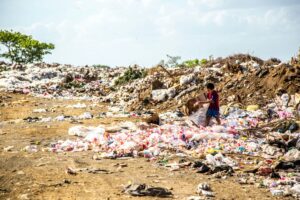
Each year, more than 220 million tons of plastic are produced worldwide, and nearly one-third is mismanaged and ends up in rivers, oceans, and soil (UNEP, 2024). Marine ecosystems are under severe pressure. Fish, turtles, seabirds, and whales ingest or become entangled in plastic debris. Experts warn that if current trends continue, the oceans could contain more plastic than fish by 2050.
Case study: The Great Pacific Garbage Patch
The consequences of plastic misuse are clearly visible in the Great Pacific Garbage Patch, a massive accumulation of floating plastic waste between Hawaii and California. It is now estimated to be three times the size of France. This enormous cluster of waste harms marine life, disrupts ecosystems, and signals an urgent need for better global waste management systems.
Air pollution: A silent killer
According to WHO (2024), more than seven million deaths each year are linked to poor air quality. Many cities around the world now experience hazardous levels of PM2.5 and other pollutants, leading to respiratory and cardiovascular diseases and reducing the overall quality of life. Even more concerning is that India has fourteen of the twenty most polluted cities in the world (WHO, 2024). The cost of this crisis is clear. The Lancet Commission reports that around 1.7 million people in India die every year due to pollution-related health issues.
Deforestation: Losing the Lungs of the Planet
Forests work like the planet’s lungs, quietly keeping life alive while we barely notice. Many communities consider trees sacred and depend on forests for their culture and livelihoods. In 2024, the world lost nearly 30 million hectares of tree cover (WRI, 2024), which released an estimated 4.1 gigatons of CO₂ into the atmosphere. This loss weakens ecosystems, displaces the communities, reduces rainfall, and accelerates climate change.
Biodiversity Loss: A Million Species at the Edge
Humanity has driven nature to the brink, and it hangs by a thread. Nearly one million species are moving toward extinction (IPBES, 2024), not slowly, but at a pace faster than any time in human history. Forests are shrinking, rivers are choking, oceans are warming, and the very species that have kept Earth alive for millions of years are disappearing one after another.
When a species dies, the world doesn’t just lose a plant or an animal. An entire thread of life unravels:
- Ecosystems become fragile and unstable.
- Food chains are disrupted and weakened.
- Pollinators vanish, threatening crops and plants.
- Soil loses fertility and its ability to hold water.
- Oceans lose their very heartbeat, affecting life across the planet.
It is like removing bricks from the foundation of a house; eventually, the whole structure collapses. And in the end, it is not nature that loses. It is us who must protect nature.
Biodiversity is not “out there.” It flows through our food, our water, our climate, our bodies, and every thread of life we depend on.
Water Scarcity: A Growing Global Emergency
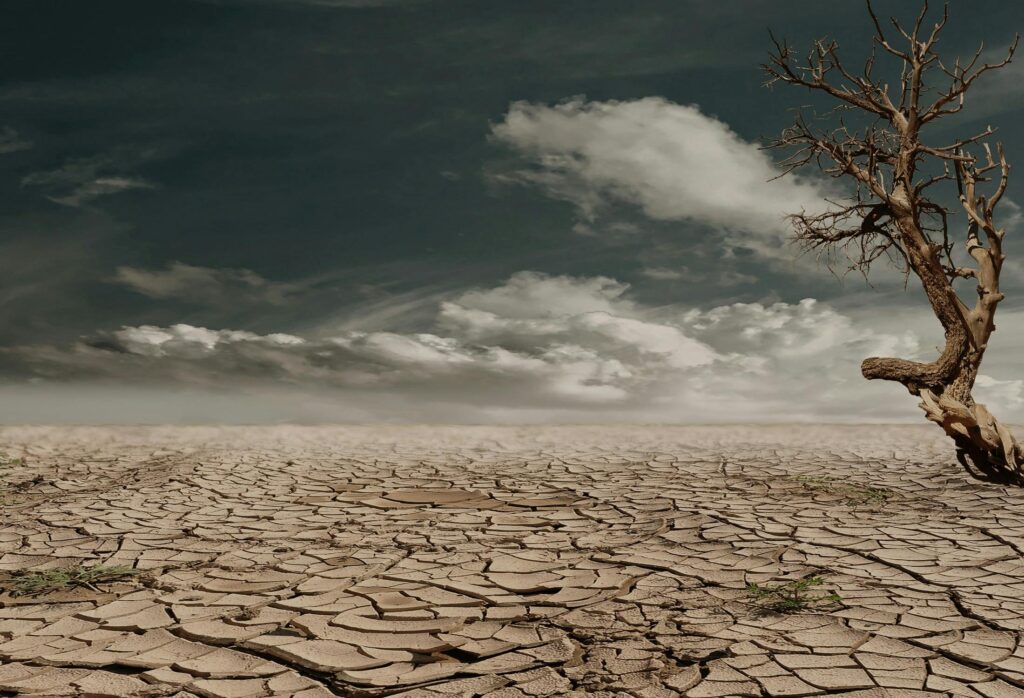
Water is life, yet more than 2.2 billion people worldwide lack access to safe drinking water (UN Water, 2024). Rivers are drying, lakes are shrinking, and aquifers are being drained faster than they can replenish. When we waste water today, we steal tomorrow’s life source.
The crisis is not far away; it is very close to us where communities struggle to find water for drinking, cooking, and farming. Crops fail, animals die, and entire livelihoods hang in the balance. The very foundation of human survival is under threat.
Water scarcity is not just numbers or statistics. It is the thirst of a child, the parched fields of a farmer, and the silent suffering of millions of families. It is the pulse of the planet slowing down, reminding us that every drop counts.
The truth is hard to ignore: if we do not act, water will no longer be a shared resource but a battle for survival. Conserving, protecting, and valuing water is not just a choice; it is our responsibility to ourselves and future generations.
Case Study: Kabul’s Deepening Water Crisis
Kabul is facing a severe water crisis. Groundwater levels have dropped by 25 to 30 meters in the past decade, and nearly half of the city’s borewells have dried up. This threatens the lives and livelihoods of nearly six million people and highlights the need for responsible water use and long-term conservation measures.
Sustainable Solutions for a Better Future
The environmental cost of ignoring nature is already visible and devastating. True maturity lies in building a balanced and respectful relationship with nature, not abandoning it for the sake of modernity. Choose to live with modernity, but not at the cost of the planet that sustains us.
Here are some practical steps toward a sustainable future:
- Reduce Plastic Dependence: Choose biodegradable alternatives and reusable items. Small habits like using cloth bags or metal bottles create big changes.
- Adopt Renewable Energy: Solar, wind, and other clean sources reduce carbon emissions and make communities energy secure.
- Ensure Climate Justice: Wealthier nations must support vulnerable countries with funding, technology, and fair climate policies.
- Environmental Education: Schools, colleges, and universities should teach students how to protect nature and use limited resources wisely.
- Reuse, Recycle, Repair: Extend the life of products and reduce waste through mindful consumption.
- Protect and Restore Ecosystems: Support afforestation, protect forests, rivers, wetlands, and rebuild damaged landscapes.
- Raise Awareness: Social platforms, NGOs, and communities must encourage responsible water use, positive habits, and collective action.
Since sustainability is not the job of government alone; it is the responsibility of every individual.
What eco-friendly step will you take today?
Conclusion
The solution is to work together, fairly, and compassionately, and not blame others for shortcomings. This planet does not belong to any one country or any one generation. It is the home of everyone. Every flood, heat wave, and storm reminds us that building a house on sand is dangerous for long-term survival.
The question is no longer “What will happen if we ignore it?”
The real question is “How long can we bear the cost our own neglect?”