

In today’s world full of distractions and uncertainty, we often forget the values that shape a meaningful life. Many people chase success, but somewhere along the way, they lose connection with themselves. Life becomes more about achievement and less about understanding, feeling, and contributing, not only to ourselves but also to others.
We start choosing short-term comfort over long-term growth. Slowly, a sense of emptiness begins to grow—whether in our emotions, our sense of respect, or our consistency in daily actions. But it is values that quietly bridges the gap between who we are and who we want to become.
Life without values is like a drifting fish aimlessly in water—moving, but without direction or purpose. In the same way, a person may exist, but without honesty, compassion, consistency, and respect, they often feel disconnected from others and even from themselves.
A person grounded in values lives with meaning, earns respect, and creates a positive influence. Today, almost everything has a price, but very little holds true value.
Here are seven values that can shape a meaningful and beautiful life.
Self-Awareness: A Value That Shapes a Meaningful Life
A meaningful life begins when we start to understand our strengths, weaknesses, and potential honestly. Without understanding ourselves, it is like throwing arrows in the dark, it is moving, but without clarity or direction. Sometimes, the answers we look for outside are already within us.
For example, many people choose a career without truly understanding themselves. In the beginning, everything feels exciting, but over time, they start feeling lost or burnt out. This not only affects their performance, but also their mental and physical well-being.
We often see people starting something with interest and enthusiasm, but later saying, “I’m not interested anymore” or “I feel bored.” In many cases, this happens not just because the work is wrong, but because there was a lack of self-awareness from the beginning.
Why self-awareness matters:
- It reduces wasted time and energy.
- It helps us grow and achieve more with clarity.
- It guides us to reflect on our actions before reacting.
- It enables better decisions at the right time.
- It allows us to use our full potential in daily life.
Self-awareness also strengthens relationships and helps build a strong character.
A meaningful life begins the moment we start understanding ourselves honestly.
Integrity: Doing What’s Right, Even When No One Sees
Integrity means being honest and staying true to your values, even when no one is watching. It is not something that we show to the world, but something that is reflected through our actions.
Who we truly are is often defined in solitude, when no one is there.
For example, once I brought groceries from a shop, and an extra item was added to my bag by mistake. I didn’t notice it at that juncture, and I assumed everything given was correct. When I reached home, my sister pointed it out. For a moment, I felt I could just keep it, since it wasn’t my mistake and no one knew about it.
But soon, I started feeling uneasy from inside. My inner voice reminded me that even if it wasn’t intentional, keeping it wouldn’t be right. So, I went back and returned the item.
In that moment, no one was forcing me, and no one might have even known. But choosing honesty gave me peace of mind. It made me realize that integrity is not just about avoiding wrong actions, but about correcting them when we become aware.
Why integrity matters:
- It builds trust and strengthens relationships.
- It improves self-respect and self-image.
- It creates consistency between our words and actions.
- It helps build a more honest and respectful society.
- It gives inner peace and confidence.
Integrity is not about never making mistakes, but about choosing to do what is right once we realize them.
“Character is built in adversity, especially in those moments when no one is there to applaud.”
Discipline: Choosing Consistency Over Comfort
Discipline is the ability to stay consistent with our daily actions, even when they don’t feel important in the moment. It is not a punishment, but a way of aligning our actions with what truly matters the most.
At times, we may start something with enthusiasm but struggle to stay consistent after a few days. The challenge is not starting but continuing. Discipline is not about forcing ourselves, but about reducing delay and showing up, even in small ways. You can explore more about self-discipline in my detailed article, where I have discussed it in depth.
Discipline is choosing what matters most over what feels easy in the moment.
Empathy: Seeing Beyond Yourself
Empathy is a selfless mental process where we try to understand others from their own situation, not from our own point of view. It is not just about listening, but about feeling what the other person might be going through and responding with awareness.
Sometimes, people do not need advice. They just need someone who understands them better.
At times, we may speak casually without knowing the reality of the other person. For instance, we might talk about our mother without knowing whether the other person has lost theirs. If they feel hurt or emotional, it is not because our words were wrong, but because we failed to see from their situation.
This brings an important question. If we cannot understand people around us, how can we expect empathy in wars and conflicts? If even a small sense of empathy was present, many decisions would be taken more carefully. Behind every conflict, there are innocent people who suffer loss, trauma, and uncertainty.
Why empathy matters:
- It reduces misunderstandings and prevents conflicts.
- It builds respect, tolerance, and mutual understanding.
- It strengthens relationships and trust.
- It creates a sense of belonging and shared humanity.
- It encourages compassionate and thoughtful actions.
Empathy is not just what we say, but what we truly feel and express through our actions.
Sometimes, the kindest thing we can offer is simply understanding and giving someone a sense of shelter from the outside world.
Gratitude: Finding Value in What We Have
Basically, gratitude is about being thankful for what we already have and learning to live with it peacefully, instead of constantly focusing on what we do not have. It is about enjoying what is present, rather than complaining about what is missing.
Today, it is very rare to find people who are truly grateful, mentally stable, and at peace. Most people are running behind power, status, and money. In this race, they forget to value what they already possess. If this continues, will it not become even more difficult in the future to find people who are calm and content?
Gratitude not only brings peace of mind, but it also invites more blessings into our lives. When we are thankful, what we receive often increases, and when we remain ungrateful, even what we have begins to diminish.
Benefits of Gratitude
- It brings satisfaction and inner happiness.
- It helps us remain calm, mentally stable and humble as well.
- It reduces ego, greed, and endless desires.
- It helps us stay connected with others and live respectfully with all beings.
- It reduces stress, anxiety, and negativity.
- It allows us to live in the present moment.
When Gratitude Is Missing
- Life feels restless, where there is no peace of mind.
- Relationships become weak and fragile.
- It increases comparison and dissatisfaction.
- It reduces creativity and clarity of thought.
- It shifts focus to the past or future, making life unproductive.
- Life becomes a race rather than a space for reflection and contribution.
- It makes a person self-centered and creates distance even within their own family.
Gratitude is staying with what we have, valuing it, and making the most of it. The real problem is that being greedy to gain more, people forget to enjoy what already exists.
“Gratitude is learning to feel enough with what you have and aligning your actions and intentions with a sense of grace.”
Resilience: Standing Strong in Adversity
Resilience is the ability to face difficulties, adapt to challenges, and continue moving forward without losing direction. It is not about avoiding problems, but about handling them with strength and awareness.
Mental Resilience
- It helps us stay calm and think clearly under pressure.
- It prevents overthinking and unnecessary panic.
- It allows us to focus on solutions rather than problems.
- It builds clarity even in uncertain situations.
Emotional Resilience
- It helps us handle disappointment, failure, and rejection.
- It allows us to feel emotions without being controlled by them.
- It helps us recover faster from setbacks.
- It builds inner stability during emotional challenges.
Behavioral Resilience
- It pushes us to take action even after failure.
- It helps us remain consistent despite difficulties.
- It reduces the tendency to quit midway or burnout.
- It builds the habit of trying again and again.
Nature itself teaches us resilience. A bamboo tree bends during a storm, almost touching the ground, but it does not break. When the storm passes, it rises again to its original position. In the same way, life may push us down, but resilience helps us stand again with patience and strength.
If we break down at every challenge, how will we ever discover our true strength?
Resilience is not about never falling, but about rising every time you fall.
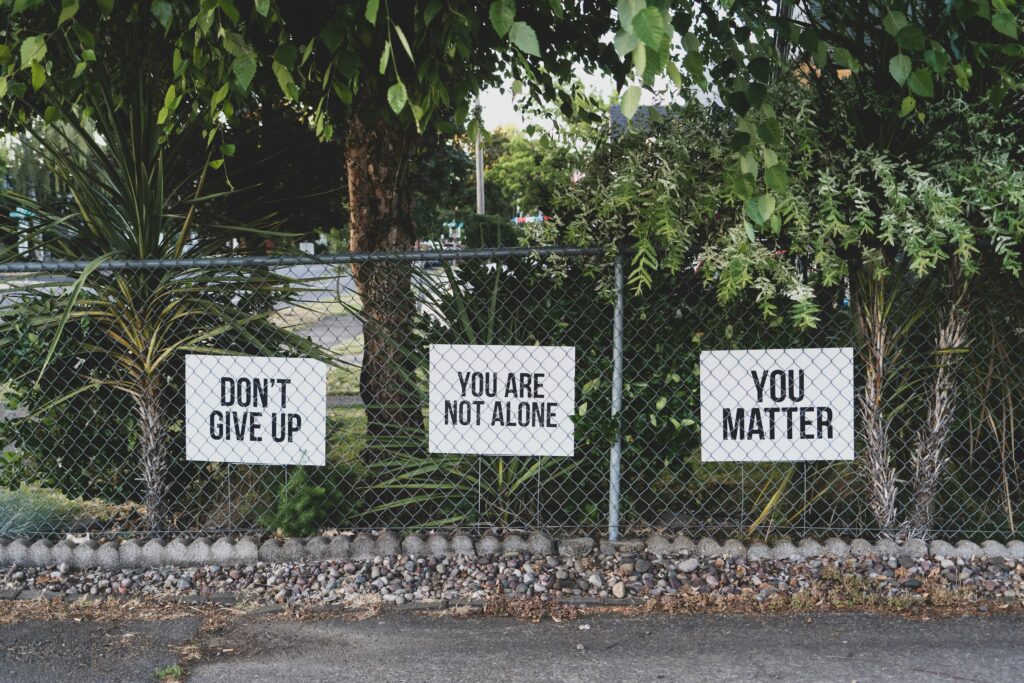
Purpose: Living with Direction
Purpose is also one of the values that shape a meaningful life. It is like a guiding light that helps us make clear choices, set priorities, and move in the right direction. It keeps us grounded and gives meaning to what we do every single day.
It is what keeps a person motivated, even when things feel uncertain. It allows us to ask ourselves, “Why am I doing this, and is it right for me and for others?”
Many times, when we feel low or broken while chasing something, purpose acts like fuel. It gives us the inner push to keep moving, even in small steps.
Purpose is not separate from our values. It grows from them and keeps our actions aligned with what really matters. Without values, purpose loses direction. Without purpose, values remain unused.
If we do not know why we are moving, how will we know where we are going?
Purpose is the light that guides our actions and keeps us moving, even in the darkest or difficult moments.
Conclusion
A meaningful life is shaped by the values that we choose to live every single day. These values not only guide us and help us grow individually but also create a more supportive and balanced world when practiced collectively.
Are your actions truly aligned with what matters?
“Values are the hallmark of human character, built by facing adversity, not by running away from it.”