

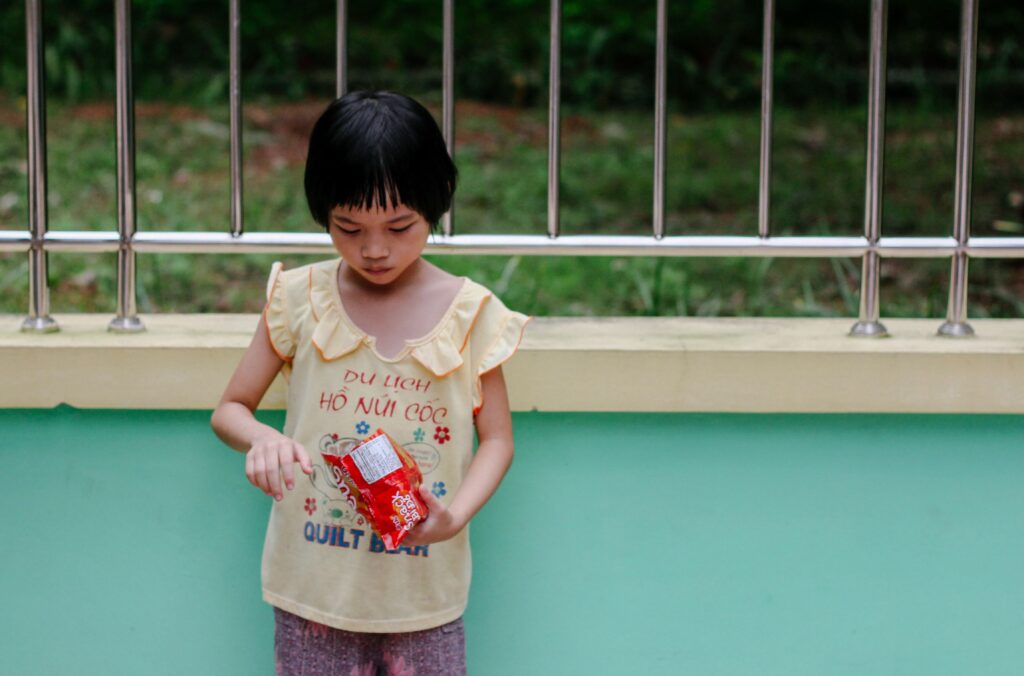
Children today are becoming addicted to junk food so naturally that many people no longer even see it as a serious problem. Chips, cold drinks, instant noodles, sugary snacks, and ultra-processed foods have quietly become part of everyday childhood. In many homes, they are consumed almost as casually as regular meals.
For many parents, these foods feel convenient. After a tiring day, packaged snacks often appear easier than preparing meals at home because they save time, effort, and responsibility for the moment. At first, these routines often feel normal, practical, and harmless.
A short-term comfort can quietly create long-term suffering.
Many children are now facing obesity, tooth decay, weak eyesight, low physical activity, poor concentration, and unhealthy eating patterns at a very young age. Yet because these habits have become common everywhere, whether at home, schools, advertisements, parties, or mobile screens, society has slowly stopped questioning them seriously.
And perhaps that is the most dangerous part of all.
So probably the real problem is not simply that children love junk food. The deeper concern is whether society itself has started accepting harmful habits in the name of convenience, comfort, and modern lifestyle.
When Junk Food Becomes a Part of Childhood
Earlier, children mostly associated junk food with birthdays, fairs, weddings, or rare outings rather than everyday routine. Packaged snacks and fast food were consumed occasionally, not as regularly as they are today. Now these foods have entered ordinary life so deeply that many young people grow up treating them as completely normal.
School canteens, local shops, family functions, advertisements, and mobile screens continuously expose children to chips, cold drinks, instant noodles, and processed snacks. In many homes, packed food is also becoming common because it feels easier and quicker than preparing meals manually after an exhausting routine. What once saved time occasionally, now starts shaping everyday habits.
Children observe these routines very carefully. When family members regularly eat while watching screens, buy outside food frequently, or casually consume unhealthy snacks at home, children naturally begin demanding the same things. Even the surrounding environment strengthens these habits. If other children nearby are buying such foods daily, controlling those demands becomes difficult for parents later.
Many parents also unknowingly encourage these habits by regularly giving children extra money or allowing unhealthy eating without thinking deeply about its long-term effects. At that moment, it may look small or harmless, but repeated habits formed during childhood rarely remain limited to childhood alone.
And this is where the real concern begins. Sometimes children are not becoming dependent on junk food by chance. The environment around them is gradually training them to live that way.
The Hidden Influence We Rarely Notice
Junk food is not made attractive by taste alone. Its strong flavors, colorful packaging, cartoon characters, and eye-catching advertisements are carefully designed to capture attention, especially among children. Human beings naturally remember images and visual experiences more deeply than warnings or health advice, and food industries understand this psychology very well.
Today, children are surrounded by food promotions almost everywhere. Advertisements appear on mobile screens, YouTube videos, gaming apps, television, and social media repeatedly throughout the day. Over time, constant exposure quietly increases cravings and normalizes unhealthy eating habits. What once looked occasional now slowly begins feeling familiar, entertaining, and emotionally comforting.
Children are often influenced long before they are mature enough to comprehend the consequences behind these habits.
Young minds are naturally more impressionable than adults. Since, their self-control is still immature or developing, which makes them more vulnerable to aggressive marketing and attractive promotions. This is one reason why ultra-processed foods are becoming profoundly connected with modern childhood across many parts of the world.
According to global dietary research, countries like the United States and the United Kingdom now receive more than half of their average daily calorie intake from ultra-processed foods. The effects are becoming more visible not only among adults but increasingly among children as well.
Many children facing unhealthy eating patterns struggle with low energy, reduced physical activity, unhealthy lifestyle habits, lack of confidence, and weaker interest in outdoor activities. According to the World Health Organization, childhood obesity has increased dramatically worldwide, with more than 390 million children and adolescents aged 5–19 being overweight in 2022.
The uncomfortable reality is that junk food is often consumed less carefully than the way it is designed and marketed. For many industries, sales and consumption remain the priority, while long-term health concerns become secondary. And when unhealthy habits are repeatedly promoted as entertainment, convenience, and modern lifestyle, society gradually stops recognizing how deeply those habits are shaping everyday life.
Junk Food Addiction in Children Affects More Than Physical Health
The effects of junk food addiction in children do not remain limited only to physical health alone. With time, these habits gradually begin affecting energy, routine, discipline, confidence, and overall lifestyle from a very young age.
I have personally seen many children who avoid proper homemade meals and regularly take money to buy chips, spicy snacks, sugary drinks, toffees, and other packaged foods from nearby shops. Over time, heavily flavored food becomes more familiar to them than simple nutritious meals.
Sometimes age continues growing, but the body does not develop with the same strength, energy, and health it naturally should.
Many children today spend less time outdoors, get tired more easily, remain physically inactive for long hours, and become heavily dependent on screens for entertainment. Slowly, active childhood itself starts becoming weaker. The body may grow in age, yet daily habits subtly reduce stamina, physical movement, and healthy routine.
What makes this more concerning is that the damage often develops invisibly. Families usually notice the problem only after unhealthy habits have already become deeply rooted in everyday life.
Not every unhealthy habit looks dangerous in the beginning. Sometimes it slowly weakens childhood from within.
Children Learn Not Only from Parents, but Also from the World Around Them
Children naturally learn by imitation. As they grow up, they observe the habits, routines, and behavior around them very closely. What they repeatedly see in everyday life slowly begins appearing normal to them, even without anyone directly teaching it.
For example, educational institutions are meant to guide children toward a healthier and better future, yet many school and college canteens regularly sell chips, cold drinks, spicy snacks, and packaged foods inside or around the campus itself.
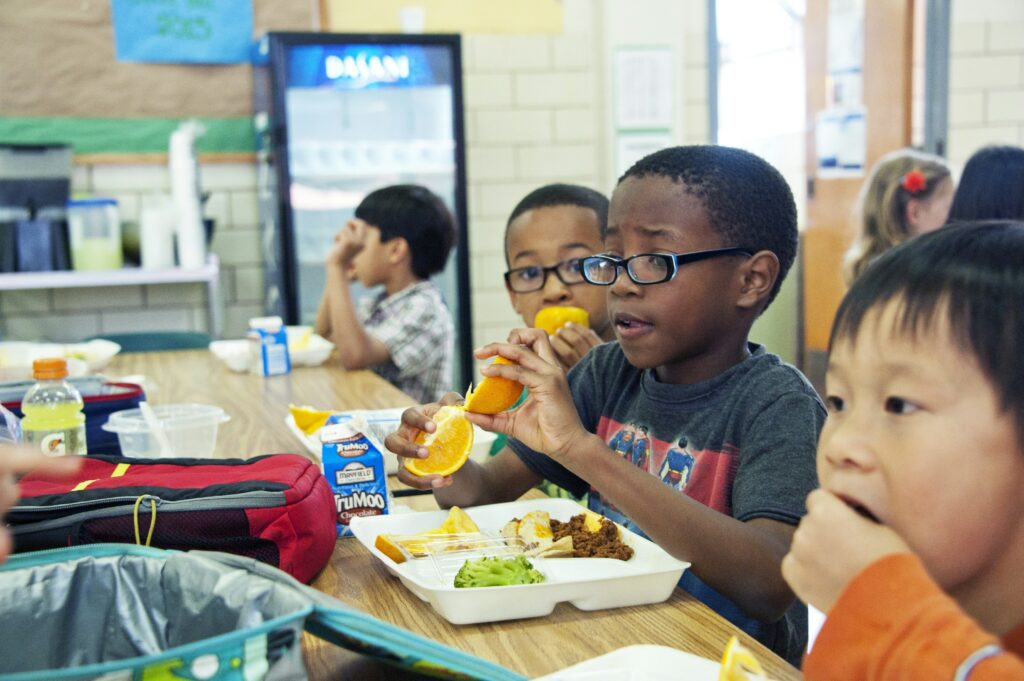
Children consume these foods almost daily during breaks and free time. Later, the same institutions complain that students throw empty pouches outside dustbins, make classrooms dirty, and create unhealthy surroundings. But an important question often remains ignored: if such foods are harmful for health and also increase pollution, then why are they being normalized around children so casually in the first place?
Children do not only follow instructions. They slowly become like the environment they grow up in.
Friends and surroundings influence children strongly as well. When they continuously watch classmates or nearby children eating junk food, they naturally feel attracted and begin demanding the same things. Gradually, these habits stop feeling occasional and become part of daily routine.
Social media and online screens have made this influence even stronger. Children constantly watch advertisements, food videos, colorful packaging, and promotions everywhere online. What they repeatedly see often turns into cravings. Many parents eventually give in after repeated demands, stubbornness, or crying because handling the situation every day becomes exhausting.
At the same time, modern lifestyle has changed many family habits too. Due to busy schedules and lack of involvement at home, many families increasingly depend on outside food instead of preparing meals manually. Cooking at home takes patience, effort, and time, while packaged food appears quicker and more convenient for the moment.
But knowingly allowing harmful habits to grow is different from simply being unaware of them. One may not understand something harmful at first but continuing it even after recognizing its effects can subtly damage a child’s future in ways that are difficult to reverse later.
Parents are not the only reason behind these habits. The surroundings in which children grow up shape them more than many people realize.
What Can We Do Before These Habits Become Permanent?
If unhealthy habits are addressed early, they can still be changed. But when the same routines continue for years, children gradually begin accepting them as a normal part of life.
Parents are often called the first teachers, and home becomes the first place where children learn discipline, routine, behavior, and lifestyle. Giving excessive money at a very young age without awareness can slowly create unhealthy habits because children may begin spending it regularly on chips, sugary drinks, spicy snacks, or other harmful things without limitation.
Children slowly become comfortable with whatever repeatedly surrounds them.
Spending time with children matters significantly. When families sit together, eat together, talk openly, and build emotional connection, children naturally feel closer to home itself. Good habits become easier to build during childhood than to correct later after unhealthy routines become profoundly rooted.
Nowadays many parents remain busy with work and responsibilities, but children also need presence, guidance, and involvement. Homemade food should not begin feeling like a burden while outside food becomes excitement and entertainment. Having junk food sometimes is normal, but when it becomes a daily habit instead of an occasional treat, that is where the real problem begins.
Parents need not only strictness, but consistency and awareness too. Children carefully observe the lifestyle of adults around them. Children often carry the values and habits they learn early in life far into adulthood. Repeated advice alone rarely works if the environment itself moves in the opposite direction.
Sometimes a little firmness or punishment during childhood may feel uncomfortable for a moment, but complete carelessness can become far more harmful later. Just as young plants need proper care, support, and timely direction while growing, children also need guidance before unhealthy habits become difficult to change.
Schools and colleges can also play an equally important role. In fact, I personally took this initiative in the college where I teach, and with the cooperation of teachers and management, meaningful changes became possible. Awareness was first created among students through discussions after assembly and during regular interactions. Gradually, restrictions on junk food and plastic pouches inside the campus were implemented.
The difference became clearly visible afterward. Students reduced bringing packaged junk food, classrooms remained cleaner, and the overall environment improved noticeably. That experience made me realize that educational institutions can become one of the strongest places to reduce unhealthy habits because almost every child passes through such environments daily.
Awareness becomes more effective when people first understand why a habit is harmful.
Schools can also organize discussions and parent meetings so that families become aware collectively rather than struggling individually. In this way, awareness can subtly move from classrooms into homes and eventually into society itself.
At a broader level, governments and regulatory bodies can also take stronger steps through restrictions, regulation, or higher taxes on products that seriously harm public health. When harmful products are less aggressively promoted and not easily available everywhere, excessive consumption can gradually decrease over time.
Healthy childhood does not develop automatically. Families, schools, society, and surroundings together shape the habits children carry into the future.
Beyond Food: We Are Shaping Future Habits
Junk food in childhood is often seen as a simple choice of taste and convenience, but over time it becomes something much deeper. It slowly turns into a routine, then a habit, and finally a part of lifestyle that shapes how a child thinks, feels, and behaves.
What children eat today is not just about food on the plate. It is quietly connected to how they grow, how they respond to health, and what they accept as normal in daily life.
No single factor is fully responsible for this change. Parents, schools, society, and the environment all play a role in shaping these habits in different ways. What children repeatedly see, experience, and consume gradually defines their future.
In the end, we are not just feeding children food; we are shaping the habits they will live with for the rest of their lives.