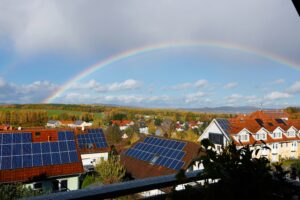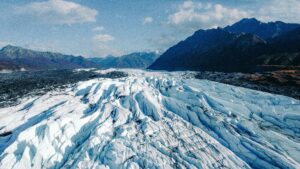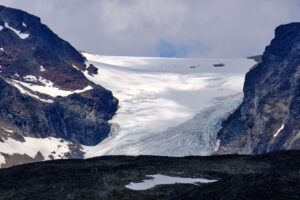

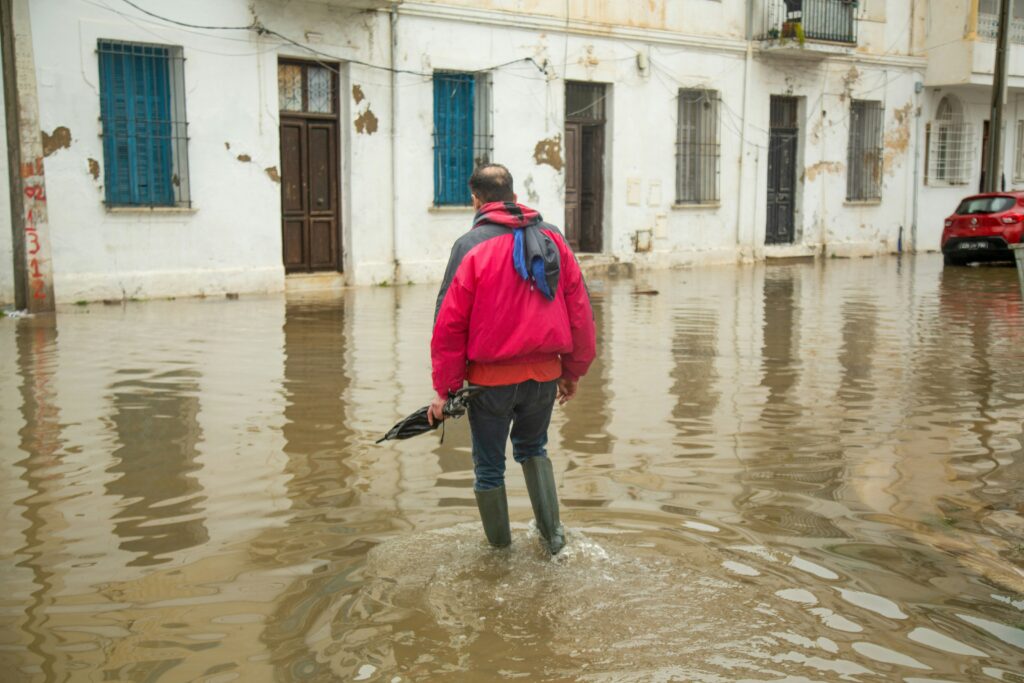
Natural disasters no longer feel like rare events that appear once in a generation. Across different parts of the world, they are becoming more visible, more destructive, and far more difficult to ignore. From unexpected floods in Gulf countries to the recurring floods of Assam and the devastating floods in Pakistan that displaced thousands of families, the pattern is becoming increasingly alarming. In other regions, intense heatwaves and fast spreading wildfires are turning once-habitable areas into dangerous landscapes for ordinary people.
What makes this situation even more concerning is that these disasters are not limited to one region or one type of climate. They are appearing in different forms across continents, often with greater intensity than before. Seasons feel less predictable, weather patterns seem increasingly unstable, and events once considered unusual are slowly becoming common headlines.
While nature has always gone through cycles of change, human actions have intensified many of these crises. Where rapid urbanization, deforestation, environmental destruction, rising emissions, and unplanned development have weakened the balance between humans and nature. The question today is not simply whether natural disasters are increasing, but why they are becoming more frequent and more intense across the modern world.
This article explores the deeper reasons behind this growing global pattern, the role of climate change and human activity, and why humanity is becoming increasingly vulnerable to natural disasters.
A World That Feels Less Stable Than Before
Across many parts of the world, people are witnessing environmental events that once seemed rare or distant, are now becoming increasingly common. Floods are affecting regions more frequently, heatwaves are growing harsher, wildfires are spreading faster, and prolonged droughts are disrupting everyday life. In many communities, uncertainty has quietly become part of normal life.
For those living in disaster-prone areas, the impact goes far beyond temporary destruction. A flood does not only damage homes, roads, or crops. It disrupts routines, weakens emotional security, and leaves families struggling to rebuild their lives from the beginning. Many people spend years creating stability for their children and future, only to see everything collapse within a few days. The emotional burden that follows often remains long after the water recedes or the fire is extinguished.
Natural disasters also create a deeper human loss that is rarely discussed. When people are displaced from their villages, towns, or ancestral lands, they are not simply leaving behind property. They are separated from memories, traditions, community bonds, and a familiar way of life. Their relationship with the land carries emotional meaning shaped through generations and losing that connection can create a lasting sense of emptiness and disorientation.
For many displaced families, adapting to a new environment becomes emotionally and socially difficult. Language, work opportunities, cultural differences, financial struggles, and the absence of familiar surroundings can make even ordinary life feel exhausting. Over time, the place they once called home slowly turns into nostalgia. In some cases, local traditions and cultural identity also begin to fade as communities become scattered or forced to relocate permanently.
Across different parts of the world, people may experience disasters in different forms, but the fear, uncertainty, and struggle they leave behind often feel strikingly similar. As these events become more frequent and intense, an important question begins to emerge: why is the modern world witnessing such growing environmental instability, and what role are human actions playing in it?
Why Natural Disasters Are Increasing in Today’s World
Natural disasters are becoming more frequent and more intense for several interconnected reasons. Climate change is one of the biggest causes, but human activities and rapid environmental changes have also made many regions more vulnerable to destruction. As a result, events that were once considered occasional are now affecting communities more repeatedly and with greater severity.
One of the clearest reasons behind this shift is the changing climate. Rising global temperatures are disturbing weather patterns across the world. Across several parts of the world, rainfall has become more extreme, heatwaves are lasting longer, and drought conditions are becoming harsher. Oceans are also warming, which can strengthen storms and cyclones. Scientists across the world continue to warn that extreme weather events are increasing as the planet becomes warmer.
Human activity has further intensified environmental pressure. Forests are being cleared for urban expansion, industries, highways, and construction projects. Rivers, wetlands, and natural drainage systems that once helped absorb excess water are shrinking or disappearing. Today, even a few hours of heavy rainfall are now enough to flood roads, damage homes, and disrupt normal life.
The growing pressure on land and natural resources is another serious concern. The world’s population has crossed eight billion, while only a limited portion of Earth’s land is suitable for regular cultivation. At the same time, the demand for food, water, housing, energy, and infrastructure continues to rise. In many places, land is being overused while forests, groundwater, soil quality, and biodiversity continue to decline. Humanity is trying to take more from nature while weakening the systems that sustain life itself.
Modern development has improved many aspects of human life, but in several regions, it has also disturbed the natural balance that communities once depended on. Mountains are being cut for construction, coastal areas are facing heavy urban pressure, and ecosystems are being pushed beyond their limits. Nature often absorbs human pressure quietly for years, but eventually the consequences begin to appear through environmental instability and recurring disasters.
Another reality is that disasters are more visible today because the world is deeply connected through technology and media. News and images now travel instantly across continents, making people more aware of crises happening in distant regions. However, visibility alone cannot explain the growing scale of destruction. The intensity and frequency of many disasters are genuinely increasing, and scientific evidence across the world continues to support this concern.
The environmental crisis facing the modern world is not only about nature changing on its own. It is also about the widening imbalance between human ambition, resource consumption, and the limits of the planet itself.
Climate Change: The Invisible Force Behind Extreme Events
Climate change is no longer something people experience only through reports, conferences, or environmental debates. In many parts of the world, it is slowly becoming part of ordinary life. The summers in several regions now feel longer and more exhausting than before. Rainfall that once followed familiar seasonal patterns has become increasingly uncertain. Some places receive intense rain within a few hours, while others wait weeks for water that never arrives.
Scientists have warned for years that the Earth’s temperature is rising, and global temperatures have already increased by more than 1°C since the pre-industrial period. What appears to be a small rise on paper is creating major disturbances in natural systems. Warmer air holds more moisture, which can lead to sudden heavy rainfall and flooding. At the same time, rising heat dries soil, forests, and vegetation more quickly, making droughts and wildfires easier to spread.
These environmental changes are affecting people in deeply practical ways. Farmers in many regions can no longer depend on seasonal rhythms with the same confidence as before. Crops are damaged by irregular rainfall, prolonged heat, or unexpected storms.
In some cities, heatwaves have become so severe that even nights remain uncomfortably hot, especially for families living in crowded areas with limited electricity or water access. According to the World Health Organization, extreme heat causes nearly 489,000 deaths globally every year on average, showing how rising temperatures are becoming a serious threat to human health. For outdoor workers, daily life during extreme heat is becoming physically exhausting rather than merely uncomfortable.
Oceans are changing as well. Warmer sea temperatures provide more energy for storms and cyclones before they reach land. This is one reason several recent storms have caused unusually high destruction in coastal regions. For families living near coastlines, the danger is not only the storm itself, but the fear of repeated displacement, damaged livelihoods, and an uncertain future after each disaster season.
Climate change also reveals how unequal the modern world can be. Wealthier societies may recover faster after disasters, but poorer communities often spend years rebuilding homes, finding stable work again, or repairing damaged farmland. People whose lives depend directly on agriculture, fishing, forests, or seasonal weather patterns are usually the first to feel environmental instability and the last to recover from it.
Climate change is not only altering the environment. It is gradually changing the conditions under which millions of people try to live, work, and build a secure future.
When Human Actions Make Natural Disasters Worse
Not every environmental crisis begins with a cyclone, flood, or wildfire. Sometimes it begins quietly through everyday habits, unchecked expansion, and the assumption that nature will continue adjusting to human pressure forever. Modern society has become deeply dependent on comfort and convenience, yet far less attentive to the long-term consequences of excessive consumption and careless development.
Many environmental problems grow slowly through ordinary behavior repeated across millions of lives each day. Water is wasted without thought, electricity continues running in empty rooms, food is consumed carelessly, and unnecessary dependence on vehicles has become normal even for short distances. Individually these habits may appear harmless, but together they place enormous strain on natural resources. I have discussed this aspect further in my article, “7 Sneaky Habits That Are Quietly Wrecking the Planet.”
The situation becomes more serious when development begins ignoring environmental boundaries. Forests are cleared for construction, wetlands disappear beneath expanding cities, and rivers lose the space they once needed to flow naturally. In several regions, buildings and commercial projects continue to rise in fragile locations such as hillsides, flood-prone zones, and coastal areas. These decisions may support short-term economic growth, but they also increase vulnerability long before a disaster arrives.
In many cases, nature only exposes weaknesses that human societies have already created. A blocked drainage system turns heavy rain into urban flooding. A hill stripped of vegetation becomes more vulnerable to landslides. A coastline weakened by uncontrolled construction loses part of its natural protection against storms and rising sea levels.
What makes the situation more uncomfortable is that many warnings are already visible, but still they are often ignored until destruction becomes unavoidable. The environmental crisis is no longer only about natural events becoming stronger. It is also about whether human societies are willing to recognize the limits of endless expansion, consumption, and ecological neglect.
Sometimes the real danger is not the disaster itself, but the conditions human beings create before the disaster even begins.
It’s Not Just Frequency: It’s the Rising Intensity
A few decades ago, extreme natural disasters were often remembered as unusual events. Today, many societies are facing them more repeatedly and with far greater destruction than before. Entire neighborhoods can now disappear under floodwater within a matter of hours, wildfire seasons continue for longer periods, and intense heat is beginning to affect everyday life in ways that were once considered rare.
The 2022 flood in Pakistan showed how devastating this growing intensity can become. Weeks of unusually heavy monsoon rainfall submerged large parts of the country and affected more than 33 million people, according to the United Nations Office for the Coordination of Humanitarian Affairs (OCHA). Beyond damaged roads and collapsed homes, countless families lost farmland, livestock, savings, and the sense of stability they had built over many years.
The pressure becomes more serious when essential systems begin failing during extreme events. Hospitals struggle with rising numbers of patients, transportation networks stop functioning properly, schools remain closed, and electricity demand increases sharply during severe heatwaves. For communities already facing economic hardship, recovering from repeated disasters can become physically, emotionally, and financially exhausting.
Another change is harder to measure but deeply real. Weather itself is beginning to create anxiety in vulnerable regions. Dark clouds that once brought relief can now bring fear in flood-prone areas. Long summers and extreme heat leave many families worried about water shortages, health problems, and uncertain income. In some places, people barely recover from one disaster before another arrives.
The growing concern today is not only that disasters are becoming more common, but that their impact is becoming harder for many communities to endure and recover from.
Are Disasters Really Increasing, or Are We Just More Aware?
A major flood in one country, a wildfire in another region, or an earthquake thousands of kilometers away can now appear on millions of mobile screens within minutes. Earlier generations also faced destructive disasters, but information traveled slowly through newspapers, radio, or limited television coverage. Today, people witness destruction almost in real time, often through videos recorded by survivors themselves.
This constant flow of images has changed public perception in powerful ways. A single week of global news can expose people to floods, storms, collapsing buildings, extreme heat, and evacuation scenes from different parts of the world. Continuous exposure creates the feeling that disasters are everywhere and happening all the time.
Part of this concern is genuine. Scientific studies and climate reports show that several extreme weather events are becoming more intense in different regions. According to the Intergovernmental Panel on Climate Change (IPCC), human-driven climate change has increased the intensity and frequency of events such as heatwaves and heavy rainfall in many parts of the world. Growing urban populations and expanding infrastructure also mean that disasters now affect far more people than they once did.
At the same time, modern technology has made human suffering far more visible than before. People no longer hear about disasters days later through brief headlines. They watch flooded homes, frightened families, rescue operations, and wildfire smoke spreading across cities while events are still unfolding. This immediate visibility changes how disasters are emotionally experienced, even by those living far away from the affected regions.
Perhaps this is why the modern world often feels emotionally overwhelmed during periods of extreme events. The planet is not only becoming more environmentally unstable in some ways, but human beings are also more connected to each other’s crises than ever before.
Geography Still Decides Who Suffers the Most
Natural disasters do not affect every place in the same way. Geography still decides which communities remain safer and which ones continue living with greater uncertainty. A cyclone near a well-developed coastal city and the same cyclone striking a fragile fishing village can leave behind very different realities.
For millions of people, risky locations are not a matter of choice. Families continue living near riverbanks, unstable hillsides, coastal belts, or drought-prone regions because work, land, and survival are deeply connected to those places. Leaving is often far more difficult than outsiders imagine. A person may lose not only a house after displacement, but also livelihood, neighborhood relationships, cultural belonging, and years of emotional attachment to land.
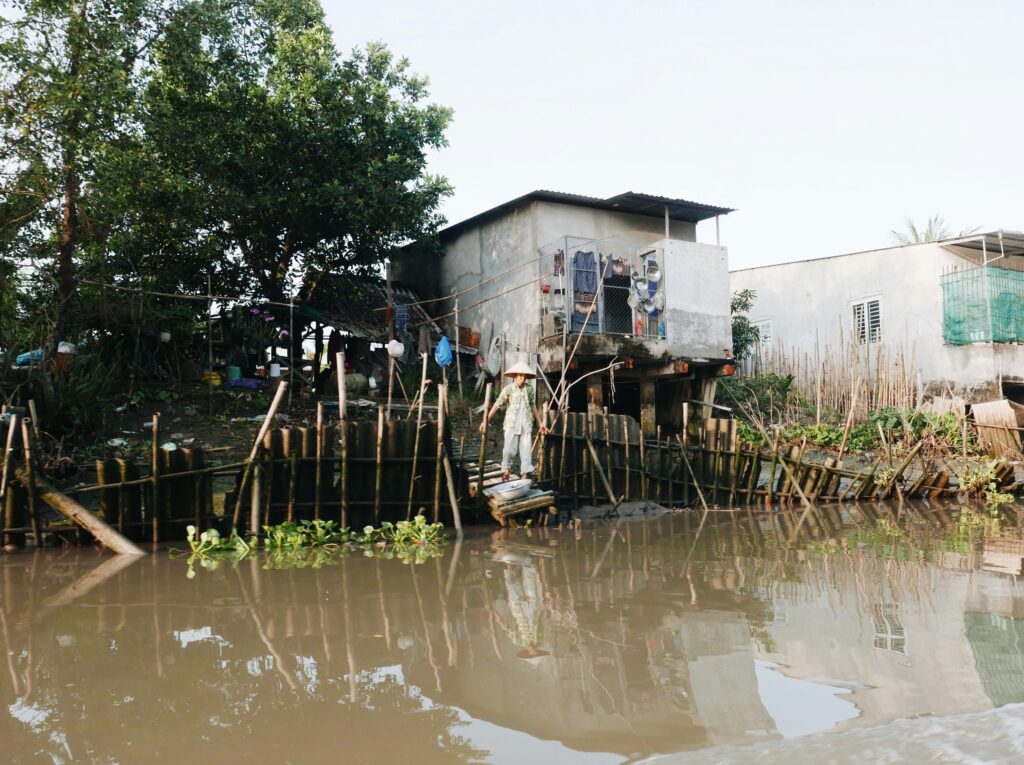
In countries such as Bangladesh, repeated floods and cyclones have become part of life for many vulnerable communities living in low-lying regions. Meanwhile, mountainous areas across the Himalayas face increasing risks from landslides, flash floods, and fragile slopes, especially where rapid construction and environmental disturbance continue expanding.
Even inside modern cities, geography quietly creates unequal protection. Wealthier neighborhoods usually recover faster because roads, drainage systems, healthcare access, and stronger housing provide a layer of security during difficult times. Poorer settlements often face the opposite reality. Heavy rainfall that causes inconvenience in one part of a city can destroy homes completely in another.
According to the United Nations Office for Disaster Risk Reduction (UNDRR), vulnerable and low-income populations continue to face disproportionate disaster risks due to weaker infrastructure and lower preparedness. Yet beyond reports and statistics, the deeper reality is often human. Some communities receive support quickly and rebuild within months, while others remain trapped in recovery long after public attention disappears.
Geography still shapes far more than landscape and climate. During disasters, it often decides whose homes remain exposed, whose recovery gets delayed, and which communities continue living with risk long after the emergency disappears from public attention.
The Real Crisis Is Not Nature: It’s Our Unpreparedness
A flood becomes far more dangerous when roads collapse, rescue teams arrive late, hospitals stop functioning properly, and thousands of people have nowhere safe to go. In many situations, the disaster itself is only one part of the crisis. The deeper problem begins when societies continue ignoring risks until destruction becomes unavoidable.
Warnings are rarely absent today. Scientists, environmental experts, and even local communities often raise concerns long before disasters strike. Yet rivers continue getting encroached upon, wetlands disappear under concrete, forests shrink for commercial expansion, and crowded settlements keep growing in vulnerable areas.
The same pattern appears repeatedly across different parts of the world. After every major disaster, promises are made, investigations begin, and public attention becomes intense for a short period. Slowly, however, daily life returns to normal while many structural problems remain unchanged beneath the surface.
This reality can also be seen in India. Several states have improved early warning systems and evacuation efforts over the years, especially in cyclone-prone regions. At the same time, rapid urban expansion, weak drainage infrastructure, illegal construction, and poor planning continue creating serious pressure in many cities. A few hours of heavy rainfall are sometimes enough to expose how fragile urban systems really are.
The uncomfortable truth is that natural disasters often reveal weaknesses that societies already knew existed. Nature may trigger destruction, but unpreparedness usually decides how severe that destruction finally becomes.
What Needs to Change Before It’s Too Late
Real change will begin only when societies start thinking beyond convenience and short-term comfort. Natural disasters are not driven by nature alone. Human behavior, careless development, weak planning, and excessive consumption have also made environmental problems far more dangerous.
Long-term planning is one of the biggest necessities today. In many countries, policies change with governments, projects remain incomplete, and important environmental decisions lose continuity. Good planning becomes meaningless when implementation keeps weakening after political change.
Urban development also needs deeper seriousness. Cities are expanding rapidly, but infrastructure often grows without balance. In many places, even limited rainfall creates severe waterlogging because drainage systems are neglected or poorly designed.
I still remember visiting the Red Fort and being genuinely surprised by its drainage structure. Centuries ago, people understood practical planning in ways modern cities sometimes continue ignoring despite advanced technology and machinery.
Public awareness matters just as much as policy. Many environmental problems are strengthened quietly through everyday habits. Leaving lights unnecessarily switched on, wasting water, depending excessively on vehicles for short distances, and careless consumption may appear small individually, but their collective impact becomes enormous over time.
Preparedness must become more proactive instead of reactive. Early warnings, faster communication, evacuation systems, and local awareness can reduce suffering significantly during disasters. Delays, negligence, and poor coordination often make already difficult situations even worse.
At the global level, environmental responsibility also requires honesty. Many climate discussions, agreements, and promises already exist, but implementation still remains inconsistent in several parts of the world. Real progress depends less on speeches and more on practical action.
Another change is internal. Modern society has become highly material-driven, but far less conscious about balance and restraint. Human desire continues expanding, while the understanding of limits continues shrinking.
A rope becomes useful only when both ends are tied properly. In the same way, knowledge alone changes very little without action. People already understand that resources are limited and environmental pressure is increasing. The real question is whether societies are willing to act seriously before future generations inherit even greater instability.
Conclusion: Nature Does Not Forgive Imbalance
Natural disasters rarely appear without warning. Rivers begin changing course slowly, temperatures rise gradually, forests shrink year after year, and weather patterns become harder to predict over time. The real danger begins when societies notice these changes but continue treating them as distant concerns until destruction finally reaches everyday life.
Across different parts of the world, floods, heatwaves, wildfires, droughts, and storms are revealing more than environmental instability. They are also exposing the consequences of careless expansion, weak planning, excessive consumption, and the growing disconnect between human ambition and natural balance.
Still, the future is not entirely fixed. Many of these vulnerabilities were created through human choices, which also means wiser choices can reduce future suffering. More responsible development, stronger preparedness, practical policies, and conscious daily behavior can help societies live with greater balance instead of constant environmental pressure.
Nature does not think, punish, or seek revenge. It simply follows its own balance. When that balance is repeatedly disturbed for too long, the consequences eventually become difficult to ignore.
Frequently Asked Questions
1. Why are natural disasters increasing?
There is no single reason. Climate change is making some extreme weather events, including heatwaves and heavy rainfall, more likely or more intense. But the damage we see is also shaped by human decisions—where we build, how we use land, how we alter natural systems, and how prepared communities are when hazards strike.
2. Are natural disasters really becoming more frequent?
Not every type of natural disaster is increasing, so it would be misleading to say that all disasters are becoming more frequent. The clearest changes are seen in several climate-related extremes, particularly extreme heat and heavy precipitation. What is also changing is our exposure: more people and infrastructure are now located in places where natural hazards can cause serious damage.
3. Is climate change the only reason disasters are becoming worse?
No. Climate change is an important factor, but it is not the whole story. Poor planning, deforestation, unplanned urban growth, weak infrastructure, environmental degradation, and settlement in hazard-prone areas can turn a natural hazard into a much larger disaster. Nature may trigger the event, but human choices often influence how devastating its consequences become.
4. Why do some people suffer far more from disasters than others?
Because a disaster does not arrive on an equal playing field. A well-built home, reliable drainage, good roads, healthcare, early warnings, and financial resources can greatly improve a family’s ability to withstand and recover from a disaster. For poorer or highly exposed communities, the same flood, cyclone, drought, or landslide can mean the loss of a home, livelihood, and years of stability.