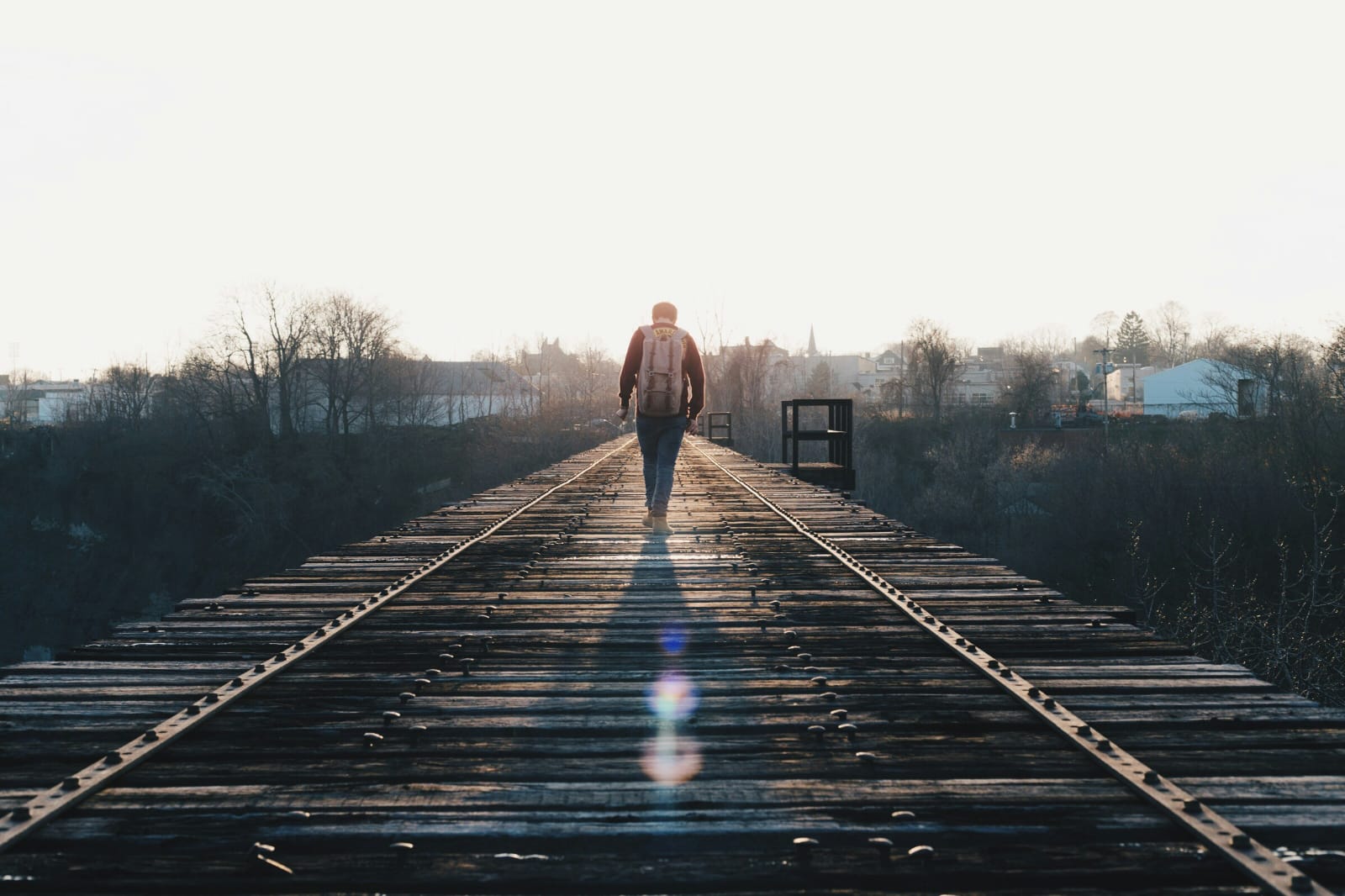

Everything is easier today. Except controlling ourselves.
We can access almost anything within seconds such as food, entertainment, and information are always within our reach. Life has become more convenient than ever before. On the surface, this feels like progress. But beneath it, something quieter is changing. People are finding it harder to stay focused, remain consistent, and follow through on what truly matters.
Why is it that even with more awareness, more tools, and more opportunities, we struggle more with ourselves?
The issue is not a lack of ambition. It is the growing gap between intention and action. We plan, we start, and we promise ourselves change. Then, slowly, we drift back into comfort and distraction. This does not happen because we do not care. It happens because the environment around us constantly pulls us away from effort.
What once felt like a basic inner strength is now becoming rare.
This is why self-discipline is important today more than ever. It is not about strict control. It is about regaining clarity over our choices. In a world that keeps making everything easier, the real challenge is no longer outside. It is the ability to guide ourselves when nothing is forcing us to.
The Age of Comfort and Instant Gratification
We do not just seek comfort anymore. We live in it by default, and that quietly limits our growth.
We no longer wait the way people once did. Food is delivered within minutes. Entertainment never runs out. Even small moments of boredom are quickly filled by a screen. What earlier required effort, patience, and time now requires almost none. This shift may seem harmless, even beneficial. But it is silently changing how we respond to effort itself.
The mind begins to expect ease. It becomes accustomed to it. Anything that feels slow, demanding, or uncomfortable is resisted. Tasks that require sustained attention start to feel heavier than they actually are. This is not because they have become harder, but because our tolerance for discomfort has reduced.
This is where instant gratification deepens the problem. When rewards are immediate, the habit of waiting begins to fade. The ability to delay pleasure for something more meaningful weakens over time. Without realizing it, we begin to choose what is easy now over what is valuable later.
This is not just a personal struggle. It reflects how modern life is designed. Platforms, services, and systems are built to reduce friction and maximize convenience. They succeed by making things faster and easier. But in doing so, they also reduce the role of effort, patience, and discipline in everyday life.
Comfort is not the problem. Dependence on it, and the habit it creates, are.
When ease becomes the norm, effort starts to feel like a burden instead of a necessity. This is where self-discipline begins to weaken. Not as suddenly, but gradually, through small everyday choices that favor cozy over control.
The Distraction Economy
Why is it so hard to focus today?
We live in a world that is constantly in motion. There is always something to watch, read, or respond to. The moment one thing ends; another begins. There is pressure to stay updated, stay engaged, and keep up. In this constant flow, there is very little space to pause or reflect.
This is not accidental because attention has become a valuable resource, and much of what we use today is designed to capture and hold it. Notifications, short videos, and endless scrolling are not random features. They are built to keep us engaged for as long as possible.
Today, distraction is not something that just happens. It is deliberately designed.
The way content is designed does not just capture attention, it drains it. The mind stays constantly stimulated but rarely feels at rest. By the end of the day, there is little energy left for anything that requires effort. Learning feels heavier and Consistency becomes difficult. Even sometimes meaningful tasks begin to feel like a burden.
We often feel busy, but not truly focused and mindful living.
This constant engagement comes at a cost. It consumes attention and energy without us clearly noticing it. As this continues, mental fatigue reduces our ability to concentrate, think clearly, and stay with one idea for a long time.
What keeps us engaged is not always what helps us grow.
It is not just digital content. Even what we consume physically follows a similar pattern. Much of what is marketed today is built for quick satisfaction rather than long-term nourishment. It may feel enjoyable in the moment but often leaves the body low on energy and the mind less sharp. This affects not only health, but also the ability to work with clarity and sustained focus.
When both mind and body are constantly fed for quick satisfaction, long-term strength begins to weaken.
Gradually, this changes how we relate to effort itself. When the mind becomes used to constant stimulation, deeper learning starts to feel less important, or simply more difficult. The ability to sit with one thought, to reflect, and to understand deeply begins to blur.
In such a condition, focus is no longer natural. It becomes something that has to be protected.
When Motivation Replaces Discipline
Motivation feels powerful in the moment, but it rarely lasts. It is like rain on dry land. For a while, everything feels fresh and alive. But once it stops, the dryness returns just as hurriedly.
In the same way, external motivation creates a temporary surge. It pushes us to commence, to act, and to feel capable. When the initial excitement fades, so does the drive to continue. What once felt certain begins to weaken, and consistency starts to break.
This is where the problem begins. Motivation is closely tied to emotion, and emotions are not stable. They rise and fall. When action depends on them, it becomes unreliable. We act when we feel inspired, and we stop when that feeling disappears.
Motivation can help you begin, but it cannot help you continue.
This pattern is not uncommon. I have experienced it myself. There was a time when I tried to become fit, healthy, and physically stronger. I started with enthusiasm, watched videos, and followed routines with intent. In the beginning, everything felt clear and manageable. But within a few days, that motivation weakened, and I could not continue for long. The intention was there, but it was not supported by discipline.
As this pattern repeats, it creates a fragile cycle. We start with energy, but struggle to sustain it. We rely on repeated bursts of inspiration instead of building steady effort. Each time this cycle repeats, it becomes harder to trust our own consistency. In this sense, motivation can silently work against long-term discipline. Not just because it is harmful in itself, but it creates the illusion that feeling driven is enough. It is not enough.
Motivation also comes in different forms. Sometimes it rises from within, when we see something around us that moves us. At other times, it comes from outside through talks, stories, or the success of others. But in both cases, its effect is temporary. It disappears as quickly as it appears.
Discipline works differently. It does not depend on how we feel. It asks for action even when there is no excitement, no urgency, and no external push. Motivation comes and goes, like the rising and setting of the sun. Discipline stays.
Consistency grows out of discipline, not motivation.
Action must come from one’s own conscience, not from passing motivation.
Why Self-Discipline Matters More Than Ever
Life feels full, but the mind often feels scattered.
In today’s world, shaped by comfort and constant distraction, mental steadiness is becoming rare. Life appears occupied, but still the mind often lacks clarity. If we honestly ask ourselves whether we are truly satisfied or mentally at ease, the answer is not as certain as it seems.
This is where self-discipline becomes essential. It is not just about productivity or achievement. It brings a sense of order within. It reduces stress and anxiety and creates a kind of mental clarity that is more valuable than external rewards. Without inner stability, even success begins to feel incomplete.
The modern environment constantly pulls attention in different directions. In such a situation, discipline becomes a form of control. It allows a person to stay focused, act with intention, and not be driven by momentary urges. It helps us choose what matters in the long run over what feels easy in the moment.
It also shapes trust. Today, there is hesitation in many areas of life. People question reliability, sincerity, and consistency. This uncertainty exists across roles and professions. Discipline reflects in behavior. It shows in how a person works, responds, and follows through. Over time, it reduces doubt and builds trust.
At a personal level, discipline strengthens self-respect. When actions align with intentions, confidence grows. A person begins to trust their own decisions. This inner shift is what gradually sets someone apart or makes an extraordinary person.
There are also deeper concerns that reflect the condition of the present time. Across the world, especially among the younger population, there is a visible rise in stress, pressure, and emotional instability. For instance, in India alone, over 1.7 lakh suicide cases were reported in 2022, according to data from the National Crime Records Bureau, with a significant number involving young individuals. Even among students in well-known institutions, where opportunities seem strong, many struggle to cope.
External success does not guarantee internal strength.
Self-discipline contributes to that stability. It builds the ability to stay consistent, manage reactions, and continue even when things are not easy. It does not remove challenges, but it strengthens the person facing them.
Self-discipline is no longer optional. It is essential.
Rebuilding Discipline in a Distracted World
Rebuilding discipline in today’s world is not about doing something extraordinary. It is about returning to what is essential.
In an environment filled with constant noise and comfort, discipline does not come from force. It comes from awareness. From noticing how easily attention slips and how often we drift toward what is easy.
Real discipline begins with small, conscious actions repeated daily.
It is not about controlling everything at once. That only leads to exhaustion. What matters is the ability to stay with what needs to be done, even without excitement or external push.
Discipline is not intensity. It is direction.
The real shift happens when we stop relying on motivation and start building consistency. Not in bursts, but in a steady and quiet manner.
For a deeper understanding of how discipline can be built in practical ways, you can explore it in detail.
The Quiet Power of Consistency
Today, consistency rarely feels exciting because it does not create noise or instant results. It works quietly, in the background, through small actions that are done repeatedly every day.
There is no applause for showing up daily, and no recognition for doing the same thing again and again. Yet, this is where real change begins. Not in moments of high energy, but in the discipline to continue when nothing feels special.
With the passage of time, these small, steady actions shape thinking, behavior, and identity. What we repeat over time begins to define us, and, in many ways, it reflects the values we choose to live by.
Consistency is not visible in the moment, but its absence is.
In a world chasing speed and intensity, the real strength lies in staying steady.
The question is simple. What are you choosing to repeat every day?