
China’s Rise: How Did a Poorer Country Become a Global Economic Power?
A few decades ago, China was a much poorer country, with much of its population living in rural areas and working in agriculture. Today, it stands among the world’s leading economic powers, shaping global manufacturing, trade and technological competition. How did such a profound transformation take place?
The answer goes beyond China’s vast population, low-cost labor or strong government. Since launching its reform and opening-up period in 1978, China has undergone a remarkable economic transformation. Market-oriented reforms, foreign investment, infrastructure development, export-oriented manufacturing and technological advancement helped reshape its economy. According to the World Bank, nearly 800 million people were lifted out of extreme poverty during this period.
But China’s rise is not a story of success without complications. Its development model has also brought economic imbalances, environmental pressures and challenges linked to an ageing population. The country now faces a different question: can it sustain its progress while addressing the weaknesses that have emerged along the way?
Understanding China’s rise means looking beyond its skyscrapers, advanced factories and impressive economic figures to examine the decisions, conditions and trade-offs that made its transformation possible.
China Before 1978: An Economy Ready for Change
A Predominantly Rural Economy and Widespread Poverty
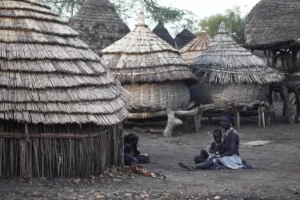
In 1978, China looked very different from the economic giant it is today. Most of its population lived in rural areas, and agriculture remained a major source of employment and livelihood. Despite decades of efforts to build a modern industrial economy, poverty remained widespread, particularly in the countryside. For millions of people, daily life was shaped by low incomes and limited access to consumer goods.
China had not stood still before 1978. It had built an industrial base and made gains in areas such as basic healthcare and education. These achievements mattered, but they had not translated into broad prosperity. Agricultural productivity remained low, and the economy struggled to provide steadily improving living standards for much of the population.
China’s challenge was not a complete absence of progress. It was the difficulty of turning the country’s resources and earlier achievements into greater productivity, rising incomes and better living conditions.
How the Planned Economy Limited Economic Progress
Under China’s centrally planned economy, the state exercised extensive control over production, investment, and the allocation of resources. Government plans shaped what factories produced and where resources were directed. The prices of many goods were controlled, private business activity was restricted, and the country remained relatively isolated from international trade and investment.
This approach helped the state mobilize resources for industrialization, especially in heavy industry. However, centralized decisions and weak incentives could also make production less responsive to people’s needs. Factories might be judged by how much they produced rather than how efficiently they operated or how well their products served consumers. In agriculture, collective production arrangements often provided limited incentives for individual households to increase output.
The system did generate economic growth and industrial development, so it would be misleading to describe the entire pre-reform period as a failure. The deeper problem was that production growth did not consistently translate into higher productivity or better living standards. By the late 1970s, China needed a more effective way to organize economic activity, encourage initiative and improve the use of its resources.
The Great Leap Forward and the Cultural Revolution
Two major political campaigns had further damaged China’s development: the Great Leap Forward (1958–1962) and the Cultural Revolution (1966–1976).
The Great Leap Forward aimed to accelerate industrialisation and transform rural society through people’s communes and ambitious production targets. In practice, unrealistic targets, coercive policies, disruptions to farming and the diversion of labour away from agricultural work contributed to a devastating famine. Tens of millions of people are estimated to have died, although historical estimates vary. The disaster exposed the human cost of policies that ignored local conditions and the realities of food production.
The Cultural Revolution, launched in 1966, brought another decade of upheaval. Schools and universities were disrupted, intellectuals and experienced professionals were persecuted, and political campaigns created instability across society. Economic activity suffered in many areas, while interruptions to education and professional life weakened the development of skills and institutions.
These events did not, on their own, explain every weakness in China’s economy. They did, however, deepen existing problems and demonstrate the consequences of political campaigns overriding practical economic and social needs.
By the late 1970s, China faced a difficult combination of widespread rural poverty, limited consumer choice, weak economic incentives and the legacy of severe political disruption. At the same time, it retained an industrial foundation, a large workforce and experience in building national institutions.
China’s rise did not begin from nothing. It began when the country started changing how its economy worked, building on existing capabilities while moving away from policies that had held development back.
The Turning Point: China’s Economic Reforms After 1978
Deng Xiaoping and a New Direction for China’s Economy
By the late 1970s, China’s leaders faced a fundamental question: how could the country improve living standards and develop its economy without abandoning its political system? The answer began to take shape in December 1978, when the Communist Party adopted a new direction that placed greater emphasis on economic development and reform.
Deng Xiaoping emerged as the leading figure behind this transformation. Rather than attempting to redesign the entire economy overnight, China’s leadership began experimenting with different ways to improve production, reward initiative, and make better use of resources. Market mechanisms were introduced gradually, while the state and the Communist Party retained their central roles.
This was a significant departure from the previous approach. China did not move directly from a planned economy to a free-market system. It began with selected reforms, observed their results, and expanded approaches that appeared to work. This gradual, experimental method became one of the defining features of China’s economic transformation.
Agricultural Reforms: Giving Farmers Greater Incentives
Some of the earliest and most consequential reforms took place in the countryside. Under the collective farming system, production decisions were organised through collective units, and the rewards individual households received were not always closely tied to their own productivity.
In the late 1970s, some rural communities began experimenting with arrangements that gave households greater responsibility for farming. These experiments helped pave the way for the household responsibility system, which spread during the early 1980s.
Under this system, families received the right to cultivate allocated land and make more production decisions. They were generally required to meet agreed obligations to the collective or state, while gaining greater freedom to benefit from additional output. The land itself did not become privately owned by the farmers.
The change strengthened incentives to work productively, respond to local conditions and increase agricultural output. Higher agricultural productivity also helped release labour for non-farm activities, including rural industries.
The significance of these reforms extended beyond farming. They demonstrated that changing incentives and giving people greater responsibility could improve economic performance without requiring the country to transform its entire system at once.
Special Economic Zones: Opening China to Foreign Investment
China’s economic transformation also required access to foreign capital, technology, expertise, and markets. Instead of opening the whole country immediately, the government chose to test new policies in selected coastal locations.
In 1980, China formally established four initial special economic zones: Shenzhen, Zhuhai and Shantou in Guangdong Province, and Xiamen in Fujian Province. These areas received more flexible policies designed to attract foreign investment and encourage trade and industrial activity.
Shenzhen became the best-known example. Located near Hong Kong, it was well positioned to develop commercial connections with an established international business centre. Preferential policies helped create opportunities for investment, manufacturing and the adoption of new business practices.
The importance of these zones was not limited to the money they attracted. They also allowed China to test economic arrangements in a controlled setting and learn from the results before extending reforms elsewhere. However, opening up was gradual: foreign investment and international integration became increasingly important over the following decades.
Together, rural reforms and the opening of selected coastal areas began changing how China’s economy operated. Farmers gained stronger incentives, businesses encountered new opportunities, and the country took its first major steps towards deeper engagement with the global economy.
The foundations of China’s rise were being laid, but the transformation was still in its early stages. The next step was to turn these initial changes into large-scale industrial production and a powerful export economy.
How China Became a Manufacturing Powerhouse
China did not become the world’s factory overnight. Its manufacturing rise took shape over decades, as economic reforms opened new opportunities for businesses and foreign companies began investing in production. Factories expanded to serve not only Chinese consumers but also customers across the world.
One major advantage was the way China’s industries grew together. In manufacturing regions, a company could find suppliers, parts, packaging and transport services within the same area. This made production easier to organise and helped businesses fulfil large orders. When a supplier could deliver components quickly, a factory could save time and keep production moving. Over time, these networks became a major strength.
China’s large workforce also mattered. Workers moved from rural areas into expanding industrial towns and cities, helping factories meet rising demand. Competitive labour costs made China attractive for producing clothing, toys and other goods. But cheap labour alone cannot explain its success. China built the capacity to produce at scale, improve manufacturing processes and supply goods reliably.
Access to world markets helped turn that capacity into economic power. On 11 December 2001, China joined the World Trade Organization (WTO), strengthening its place in international trade. Its factories gained greater opportunities to serve overseas markets, and exports expanded. WTO membership was an important milestone, but it did not create China’s manufacturing sector from scratch. The country’s reforms and industrial growth had begun much earlier.
The impact is visible in the range of goods made in China, from everyday household products to industrial machinery and electronic components. Manufacturing brought jobs, investment and export income. It also came with costs, including pollution and difficult working conditions in some industries. The gains were real, but they were not shared equally by everyone.
China’s manufacturing success came from bringing several advantages together: a large workforce, connected industries, investment, and access to global markets. No single factor explains the transformation. The country built its industrial strength over time, and that strength became one of the main foundations of its rise as a global economic power.
The Foundations of Growth: Infrastructure, Investment and Planning
China’s factories needed more than workers and machinery. They needed electricity, roads, railways and ports to keep production moving. As the economy expanded, China invested heavily in these foundations. Better connections helped businesses transport raw materials, move finished goods and reach markets across the country and overseas.
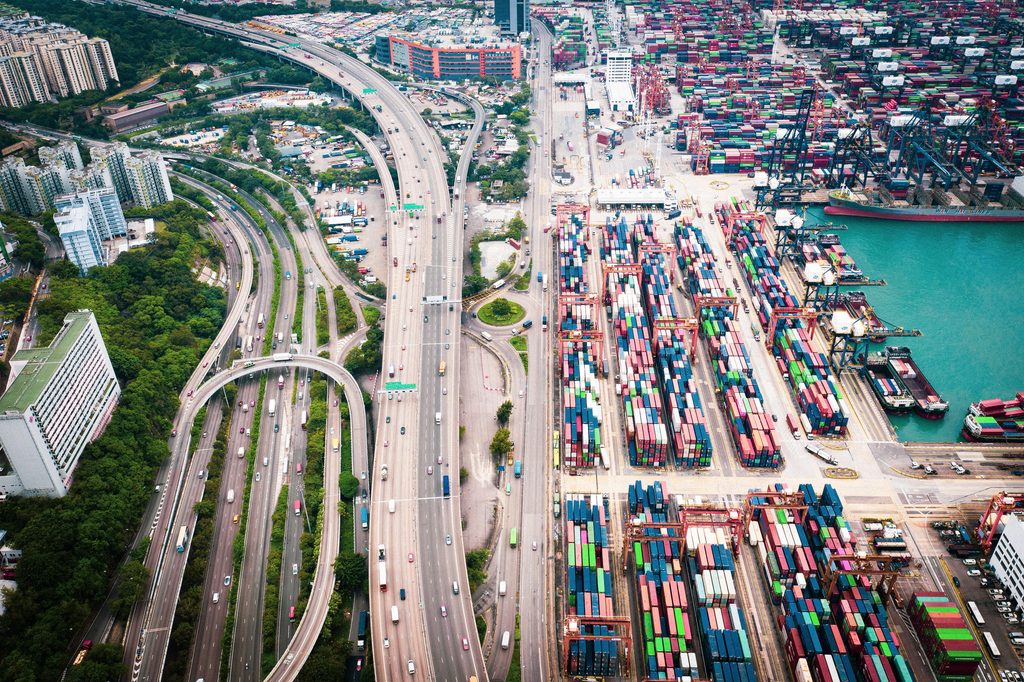
A factory can produce goods, but infrastructure helps an entire economy deliver them.
This is where China’s development strategy made a difference. Investment in transport and industrial facilities connected production centres with suppliers, workers and customers. Expanding cities also created new centres of economic activity, drawing people into manufacturing, construction and services. For many, this brought new employment opportunities, although migrant workers did not always enjoy equal access to urban public services.
The scale of construction was remarkable. But the more important question is how that investment was used.
Government planning helped direct resources towards major development projects, while local authorities sought to attract businesses and expand their economies. This approach helped China build quickly. However, pressure to maintain growth could also encourage projects that were expensive or offered limited economic returns.
The consequences became increasingly visible in the property sector and local government finances. Investment can drive development, but excessive investment can create problems of its own. The International Monetary Fund has warned that excessive spending on infrastructure and housing contributed to rising debt among local governments and property developers. Some investments delivered less value than expected, while the property downturn exposed weaknesses in the growth model.
China’s experience offers a lesson that applies well beyond its borders. Roads, power networks and public infrastructure can create the conditions for growth, but construction alone is not proof of progress. What matters is whether investment supports productive activity, serves people’s needs and delivers lasting benefits.
The real measure of development is not how much a country builds, but what its investments make possible.
Beyond Cheap Manufacturing: China’s Technological Transformation
China’s economic rise did not stop at making goods cheaply. As its manufacturing industries expanded, a new challenge emerged: could Chinese companies develop better products, improve technology and compete in industries where innovation mattered as much as production costs?

The shift took years. Manufacturing gave Chinese companies practical experience, established supply chains and the ability to produce at scale. Investment in research and development helped build further capabilities. China was no longer trying only to make more. It was increasingly trying to make better.
From the World’s Factory to a Technology Powerhouse
China’s progress has involved learning, adapting and developing its own technologies. International partnerships and foreign investment helped introduce knowledge and production techniques. Chinese companies then built on that experience, improving products and processes and competing more aggressively in domestic and international markets.
An important factor was competition within China itself. Companies in several industries faced pressure to improve quality, reduce costs and bring products to market quickly. Combined with investment and a large domestic market, this helped some firms develop into serious international competitors.
The transformation is not complete. China has developed strong capabilities in areas such as telecommunications equipment, electric vehicles and batteries, but it still faces technological gaps and reliance on foreign suppliers in some advanced fields.
Electric Vehicles and Clean Energy: China’s New Industrial Strength
Electric vehicles show how these advantages can come together. China has developed a vast industry covering vehicle assembly, battery production and many of the components in between. Domestic competition, investment and an extensive supply chain have helped manufacturers expand production and bring down costs.
The scale is striking. The International Energy Agency reports that China produced nearly three-quarters of the world’s electric cars in 2025. Its influence extends to batteries and solar panels, where Chinese manufacturers also occupy major positions in global supply chains.
This matters because these technologies are shaping how countries produce energy and move people and goods. China’s manufacturing capacity has helped make some clean-energy products more widely available. At the same time, its dominance creates concerns about dependence on a concentrated supply chain, while intense competition has put pressure on manufacturers’ profits.
China’s technological progress is substantial, but it should not be mistaken for leadership in every field. Maintaining its position will require continued innovation, stronger capabilities in areas where it remains dependent on foreign technology, and companies that can succeed over the long term.
The deeper lesson is that manufacturing can become a foundation for innovation. China’s experience shows how production expertise, competition and sustained investment can help an economy move into more advanced industries. The challenge now is to turn that progress into durable economic strength.
The Human Foundations: Workers, Skills and Urbanization
China’s economic transformation was also a transformation in people’s lives. Millions moved away from agricultural work towards jobs in factories, construction, transport and services. Rural communities changed, cities expanded, and work opportunities opened up for families who had previously depended largely on farming.
From Rural Communities to an Urban Industrial Economy
For many people, moving to a city meant the possibility of earning a more regular income and supporting family members back home. Their labour helped sustain China’s expanding economy. The World Bank has documented how rural-to-urban migration contributed to higher productivity, rising incomes, and poverty reduction.
But the transition was not equally rewarding for everyone.
China’s household registration system, known as hukou, has historically linked access to certain public services to a person’s registered place of residence. Many migrant workers therefore faced barriers to accessing urban education, healthcare and social benefits, even while working and raising the country’s economic output. Some families lived apart, with parents working in cities while children remained in their home villages.
A country’s economic progress matters most when the people who help create it can share in its benefits.
Education, Skills and the Changing Workforce
As China’s industries developed, the skills needed by its economy changed too. Basic manufacturing created jobs for large numbers of workers, while more advanced industries increased demand for technical training, engineers and specialised knowledge. Education, vocational training and experience gained at work became increasingly important to the country’s ability to improve productivity and develop more sophisticated products.
China now faces a different challenge. Its population is ageing, and its working-age population is under pressure. Maintaining economic progress will depend increasingly on productivity, workers’ skills and the ability to adapt to technological change, rather than relying on an expanding workforce alone.
China’s experience offers a reminder that people are not just inputs into an economy. They are workers, learners, parents and citizens whose lives are affected by the way development is managed. Growth can transform a country, but its deeper achievement lies in whether people gain greater security, opportunity and dignity from that transformation.
The Costs and Limits of China’s Growth Model
China’s economic rise was built on large-scale investment, manufacturing, infrastructure, and exports. These helped transform the country, create jobs, and raise living standards. But as its economy has grown, weaknesses in this model have become harder to ignore. The challenge now is not just to keep the economy growing, but to make that growth more balanced and sustainable.
Property, Debt and the Limits of Investment-Led Growth
For years, property development was an important engine of China’s economy. Building homes created jobs, supported industries such as steel and cement, and provided local governments with revenue from land sales. But rapid expansion also encouraged borrowing, and some areas built more housing than buyers could absorb.
When the property market weakened, the effects spread through the economy. Some homebuyers faced delays in receiving promised homes, falling property values weakened household confidence, and lower land-sale revenue put pressure on local government finances. Years of debt-financed investment added to these difficulties.
The International Monetary Fund has identified the prolonged property-sector downturn, local-government debt and weak domestic demand as connected challenges for China. Its assessment also warns that continued reliance on investment and exports cannot resolve every underlying weakness.
This does not mean investment was a mistake. China’s infrastructure and industrial capacity were essential to its rise. The problem is that investment brings lasting benefits only when it creates value that justifies its cost. More construction cannot indefinitely compensate for weak consumer confidence, excessive debt, or insufficient domestic spending.
The Uneven Costs of Economic Progress
China’s growth has created jobs, expanded opportunities, and improved living standards for millions. But the benefits have not been shared equally, and the costs have not fallen equally on everyone.
Industrial expansion also contributed to air and water pollution in parts of the country. Cleaner technologies and environmental controls can reduce these problems, but industrial progress comes at a real cost when the health of communities and the quality of their surroundings are neglected.
There are differences in economic opportunity, too. Major cities and coastal manufacturing centres attracted substantial investment, while some less-developed regions struggled to keep pace. Even when national incomes rise, individual families can still face insecure work, housing pressures or uncertainty about their future.
These difficulties do not erase China’s achievements. They reveal why national economic figures alone cannot tell us how well development is serving people.
A country can become wealthier without everyone feeling secure or sharing equally in its progress. For China, the next stage will require more than producing goods and building infrastructure. It will depend on productive investment, stronger domestic demand, responsible management of debt, and continued efforts to reduce environmental harm.
The real test is whether China can turn its enormous economic strength into lasting prosperity that benefits its people without placing an excessive burden on future generations.
What Can Developing Countries Learn from China’s Rise?
China’s rise offers valuable lessons for countries seeking to reduce poverty, create jobs and strengthen their economies. Its experience shows what economic reforms, sustained investment, industrial development and long-term determination can achieve. It also shows that rapid growth brings risks, including debt, environmental damage and unequal opportunities.
The lesson is not to copy China in every detail, but to understand what drove its progress, recognise the costs and adapt the useful lessons to each country’s own realities.
- 1. Build a productive economy, not just a bigger one. Lasting prosperity depends on a country’s ability to produce goods and services, create jobs and improve productivity. China’s manufacturing growth helped it become deeply connected to global trade. Developing countries can learn from this by strengthening local industries, improving the quality of production and creating opportunities beyond the export of raw materials.
- 2. Invest in what the country genuinely needs. Roads, railways, electricity, ports, and digital networks can connect businesses to workers and markets. China shows how infrastructure can support economic transformation when it is linked to productive activity. But building for the sake of appearances is not development. Investment should address real needs and deliver benefits that justify its cost.
- 3. Develop people alongside industries. Factories, infrastructure and technology cannot reach their full potential without skilled people. Education, vocational training and practical experience help workers adapt as industries change. A country needs not only people who can do today’s jobs, but also people who can learn, solve problems and develop better ways of working.
- 4. Learn from the world without losing sight of your own needs. China’s experience shows the value of foreign investment, international trade and access to technology. But engaging with the world does not mean following every outside recommendation without question. Each country must understand its own strengths, weaknesses and circumstances, then decide which ideas suit its needs. Listening to others can broaden a country’s understanding; sound judgement determines what it should do with what it learns.
- 5. Pursue long-term goals with consistency and determination. One important feature of China’s development has been its sustained effort to expand industrial capacity, improve infrastructure and move into more advanced technologies. Progress in these areas did not happen overnight. It required investment, learning, adjustment, and continued effort. China’s approach has also been assertive, with a strong focus on its national priorities. Other countries can learn from that determination without assuming that every Chinese policy or method should be copied. Ambition sets a direction, but consistent effort over time turns that ambition into capability.
- 6. Measure success by how people live. A strong economy should create more than impressive statistics. It should offer people greater security, better opportunities, and a healthier environment. China’s challenges with debt, pollution and uneven benefits show that economic growth alone cannot resolve every problem. Development must be judged both by what a country produces and by how its people experience the results.
China’s future position will depend on how well it responds to its current challenges, sustains innovation and adapts to a changing world. If it continues to build on its strengths while addressing its weaknesses, it could become even more influential in the decades ahead. But no country’s rise is guaranteed to continue at the same pace.
Perhaps the deepest lesson is this: progress belongs neither to ambition alone nor to effort alone, but to the ability to keep learning, adapting and working towards a clear purpose. Countries that understand their own realities, make thoughtful choices and remain committed to long-term improvement give themselves a stronger chance of building a better future.
Conclusion: China’s Rise Is Not the End of the Story
China’s journey from widespread poverty to global economic power is a reminder that a country’s position in the world is not fixed. Through economic reforms, industrial development, sustained investment and determination, China reshaped its economy and changed its place in the world.
But its story is still unfolding. Debt, an ageing population, environmental pressures and the need for more balanced growth will test its ability to sustain progress. Its future will depend not only on how much it can produce, but also on how wisely it addresses these challenges.
China’s rise was not built in a day, and its future will not be decided by its achievements alone. What matters now is whether it can turn the strength it has gained into lasting prosperity.
For other countries, the deeper lesson is that progress demands patience, clear priorities and the courage to keep improving. A nation’s future is shaped not only by where it begins, but by the choices it makes and the determination with which it follows through.