
The Sun has been shining on Earth for billions of years. So why are we suddenly paying so much attention to it?
The answer is not that the Sun has changed. We have.
Our energy needs have grown, our technology has developed, and the way we think about where our energy should come from is changing.
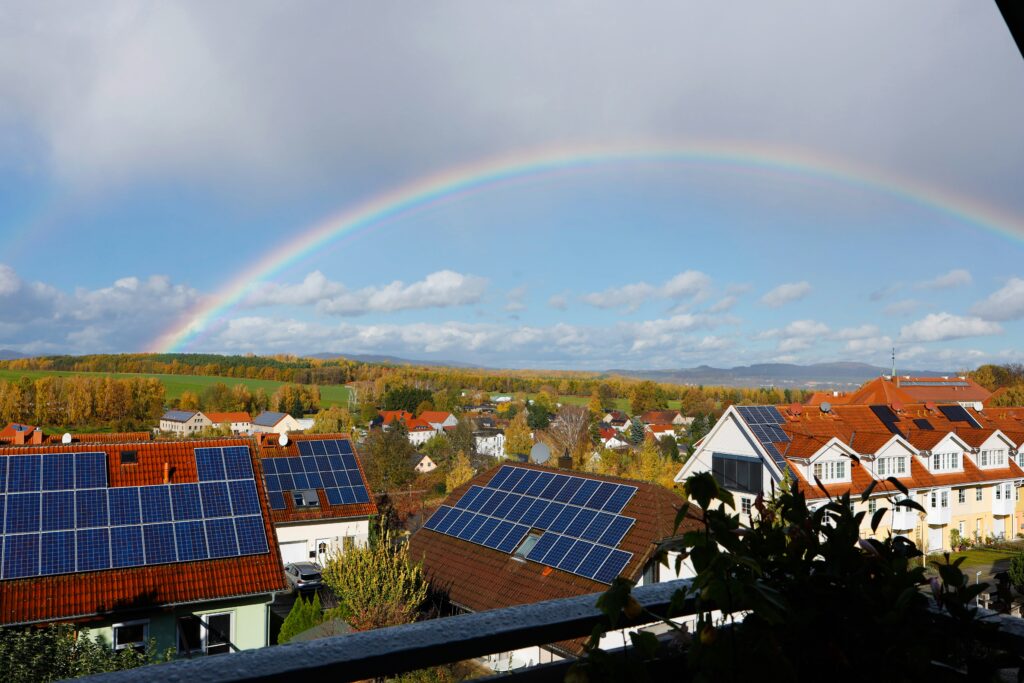
Look around today and the change is becoming difficult to ignore. Solar panels are appearing on rooftops, farms, schools, businesses and large open spaces, quietly becoming part of the landscape around us.
But this is about more than panels.
For much of modern history, our growing energy needs have been met largely through coal, oil and natural gas. They have powered industries, cities and economies, but they have also brought environmental costs and concerns about the long-term security of our energy supply.
Now, as the world needs more electricity and searches for cleaner ways to produce it, sunlight is receiving a very different kind of attention.
Why is solar energy becoming so important?
The answer goes beyond the fact that the Sun is an abundant source of energy. It lies in the way solar technology has developed, the changing demands of modern life, the environmental pressures we face, and the possibility of producing electricity in places where it is really needed.
To comprehend why solar is becoming such an important part of the energy conversation, we first need to look at how our energy needs are changing and why the source we depend on matters.
Our Energy Needs Are Changing, and So Is the Source We Depend On
I remember a time when the electricity in our neighborhood went out for more than a day. At first, it felt like a temporary inconvenience. But as the hours passed, we began to realize how much of our ordinary life depended on something we hardly ever thought about.
Phones could not be charged. Electrical appliances stopped working. When darkness arrived, there was no switch to turn on. We had to light candles just to see.
That experience stayed with me because it revealed something we often forget: we notice the value of electricity most clearly when it disappears.
It also made me think about how different life once was. People lived and worked without the many electrical devices that now surround us. Many things took longer and demanded more physical effort, but that way of life was once completely ordinary. Today, we are so accustomed to electricity that we rarely stop to imagine life without it.
A prolonged power cut can bring that forgotten reality back for a while. Work is interrupted, communication becomes difficult, and even small responsibilities can suddenly feel heavier. What begins as an inconvenience can affect the rhythm of an entire day.
Our energy dependence has grown as society has developed. Homes have become more equipped, workplaces more connected, and essential services more dependent on reliable electricity. Technology has also entered almost every part of modern life. As our way of living has changed, so has the amount and reliability of energy we need.
This leads to a larger question. We are not using more energy without reason. We have built a society that increasingly depends on it. So, the challenge is no longer only to produce enough energy. We also have to consider where it comes from and what its production costs for the environment.
Coal, oil and natural gas have played a major role in building the modern world, and they remain important sources of energy. But their environmental consequences, finite nature and the risks associated with heavy dependence on particular fuels that have strengthened the search for alternatives.
The energy shift, therefore, is also a reflection of a changing society.
We changed first. Our energy systems are now having to change with us.
This is where solar energy enters the picture. The Sun has always been there. What has changed is our need, our technology, and our ability to turn its light into something that can power modern life.
From Fossil Fuels to Sunlight: Why the Energy Mix Is Changing
The story of modern civilization is closely tied to the story of energy.
Coal helped factories grow beyond the limits of human and animal labor. Oil changed transportation and made it possible to move people and goods across enormous distances. Natural gas became important for electricity, heating and industry. These fuels became dominant because they answered the needs of their time. They were powerful, practical and available in forms that economies could build around.
But there was another side to that success.
Once a society builds its industries, transport and daily life around a particular source of energy, moving away from it is not simple. The fuel has to be extracted somewhere, transported to where it is needed, and supplied continuously. Over time, this creates networks of trade and dependence that can stretch across countries and continents.
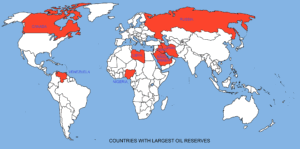
India offers a simple example. A large part of the crude oil used in the country comes from abroad. That means what happens in distant oil-producing regions, international markets, or global shipping routes can eventually affect India’s energy costs and, more broadly, its economy. The geography of energy can reach far beyond the place where the energy is finally consumed.
This is one reason the conversation around energy is changing.
We are no longer asking only whether a source can provide enough energy. We are also beginning to ask what that source requires, where it comes from, how vulnerable its supply can be, and what happens as the world continues to need more energy.
That does not make the old system useless, nor does it mean one source is going to replace every other source. Fossil fuels still play a major role in the global energy system. At the same time, solar, wind, hydropower, nuclear power, and other sources are becoming increasingly important. The result is not an overnight switch but a gradual diversification of the energy mix.
And that change matters because energy is never only about electricity.
It influences where industries are built, how countries trade, which regions become important, how communities develop, and how vulnerable an economy can be to events beyond its borders. Change the way energy is produced, and you can eventually change some of the relationships built around it.
This is where the growing interest in sunlight becomes more than a search for another fuel.
The Sun does not need to be mined, drilled, or transported from one country to another. Its energy reaches different parts of the Earth every day. The challenge is to capture it efficiently, convert it into usable electricity, and build the systems needed to make that electricity available when and where people need it.
That sounds simple.
It is not.
But it is different.
And understanding that difference is the next step in understanding why solar energy is attracting so much attention.
What Makes Solar Energy Different?
At first glance, a solar panel may not seem very different from any other piece of energy infrastructure. It sits on a roof or across a field, connects to an electrical system, and produces electricity.
The real difference lies in where the energy comes from.
Coal, oil, and natural gas have to be extracted before their stored energy can be used. The fuel itself is part of the supply chain. It has to be mined or drilled, processed, transported, and eventually consumed.
Solar begins from a different point.
The energy source is already arriving.
Sunlight reaches Earth’s surface every day. A photovoltaic cell uses semiconductor material to absorb part of that light and convert its energy into electrical current. Individual cells are connected to form modules, commonly called panels, and those modules can be combined into systems of very different sizes.
A solar system can be small enough for a single building or large enough to become part of a utility-scale power plant. The same basic technology can therefore be adapted to very different places and needs. Solar is not tied to one particular scale of development.
There is also a geographical difference worth noticing.
A coal mine or oil field exists in a particular location, which means the energy must travel from where the resource is found to where it is needed. Sunlight is different. It reaches homes, farms, businesses, and open land directly, although the electricity produced still depends on grids, equipment, and local conditions.
That does not make solar simple or unlimited. The amount of electricity a PV system produces varies with location, season, time of day, weather, and the design of the system. Not all incoming sunlight becomes electricity either.
So, the most important difference is not simply that solar is renewable.
It changes the relationship between the energy source and the technology we build around it.
The Sun provides the energy. Human beings build the means to capture it.
That distinction helps explain why solar is becoming much more than another way of generating electricity.
Why Is Solar Energy Becoming So Important?
The growing significance of solar energy cannot be explained by just one reason. Several changes in the way we live are pushing us towards it simultaneously.
Human beings are using more electricity because modern life itself has become more dependent on it. Homes have more appliances, businesses depend on digital systems, transport is becoming more electric, and technologies such as data centers require enormous amounts of power. In 2025, global electricity demand increased by about 3%, adding around 800 TWh of consumption in a single year.
There is another side to this change: countries are competing to develop, produce and lead. Energy has always been connected with economic strength, and that connection has not disappeared. Countries want reliable energy, greater control over their supplies, new industries and a stronger position in a changing global economy. As a result, solar has become part of a much wider competition involving technology, manufacturing, investment and energy security.
For an ordinary household, however, the matter can be much simpler.
In India, electricity eventually reaches the home as a monthly bill. For some households, rooftop solar offers a different possibility: make a large investment once, generate some of your own electricity, and reduce the amount you need to buy from the grid. Government support for residential rooftop solar has also helped make such systems more accessible.
The attraction is easy to understand. A solar system can sit on a roof or another suitable space close to where electricity is used. It does not need a continuous supply of coal or oil to be delivered to that location. Of course, the system still has costs, depends on sunlight and equipment, and cannot by itself remove every problem associated with electricity supply.
Then there is the sheer pace of human development.
We want communication to be immediate, travel to be easier, homes to be more comfortable, and everyday tasks to require less physical effort. Much of that convenience now depends on electricity. As our expectations rise, so does the amount of energy needed to maintain them.
Solar is meeting this growing pressure at a remarkable moment. In 2025, solar PV generation increased by about 600 TWh worldwide, the largest annual increase recorded for any electricity source outside periods of post-crisis recovery.
Still, there is something we should not forget.
Useful does not mean unlimited.
Water gives life, but too much water can become a flood and destroy homes built through years of work. The same broader lesson applies to natural resources. A resource can serve human needs while still being misused.
Therefore, solar should not become another excuse for endless consumption.
Its real promise lies in helping us meet growing energy needs while also asking a harder question: how much energy do we really need, how should we produce it, and what kind of future are we building through those choices?
Why Are Solar Panels Moving Onto Our Rooftops?
A rooftop can spend most of its life doing little more than keeping a building covered. Sunlight falls on it every day, but for a long time, we rarely thought of that surface as useful for anything else.
That is changing.
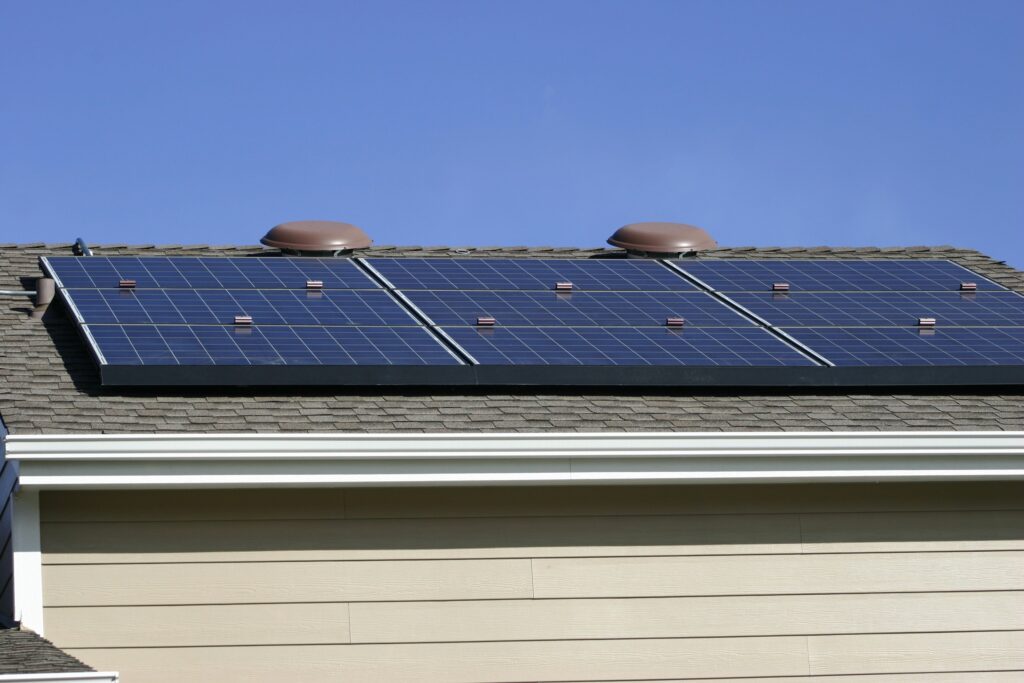
In many places, rooftops are becoming part of the way electricity is produced. Solar panels now sit above homes, schools, shops and other buildings, using a surface that was already there to capture sunlight and generate electricity.
The fascinating part is not only the technology. It is the change in how we see the spaces around us.
Human needs have a way of changing what once seemed normal. There was a time when having a toilet inside the home could feel unusual or even uncomfortable for some families. Today, indoor sanitation is a basic part of what people expect from a decent home. The structure did not just change. Our idea of what a home should provide changed with it.
Rooftops are experiencing a different kind of shift.
They remain roofs, but they can now take on another role within the household. Where conditions are suitable, a previously underused surface can generate electricity during daylight hours. Instead of energy coming entirely through the wider system, a household can become involved in producing at least some of what it consumes.
There is also a practical reason rooftop solar is attractive. Electricity is being generated close to the place where it is needed. For some households, this can reduce their reliance on electricity purchased from the grid, depending on the system, local tariffs, sunlight, and applicable rules.
But the roof is not automatically a solar site.
Shade from nearby buildings or trees, limited area, roof condition, orientation, structural strength, installation costs, ownership arrangements and local regulations can all affect whether a system is suitable. A usable roof is only the beginning; the real question is whether solar makes practical and financial sense for the people using it.
That is why the spread of rooftop panels is considerably worth noticing.
It reflects a broader habit of human progress: we keep finding new purposes for the things we already have.
The roof has not changed its shape. Our idea of what it can do has.
Where Else Is Solar Energy Being Used?
The usefulness of energy depends greatly on the place where it is needed.
A large city may require electricity for homes, transport, industries, and digital infrastructure. A remote community may need enough power to keep a water pump running, preserve medicines, communicate with the outside world, or support a small local business. The energy requirement is different because the circumstances are different.
Solar is being adapted to both.
Large solar installations can supply electricity to wider grids, while smaller systems can serve individual facilities, local networks, or places where connecting to conventional infrastructure is difficult or costly. This range matters because solar does not have to arrive in one fixed form. Its scale can be adjusted to the need, the available resources, and the conditions of the place.
That becomes particularly important where electricity supports an activity rather than merely adding another convenience.
For instance, in agriculture, solar-powered systems can help with irrigation, water pumping, crop processing, cooling and storage. In healthcare, electricity can support refrigeration, lighting and essential equipment. Moreover, in remote areas, it can also help to maintain communications or provide basic services where extending a conventional grid may take considerable investment. Research on decentralized renewable energy shows how these uses can connect energy with productive activity and essential services.
In such cases, the value of solar is not measured only by how much electricity it produces. It is measured by what that electricity allows people to do.
The relationship between energy and place becomes more interesting when the same space can serve more than one purpose. Solar is being explored alongside agriculture and grazing, on water surfaces, and on some degraded or previously disturbed land. These approaches are not suitable everywhere, and combining different uses requires careful consideration of local geography, ecology, economics, and the people who depend on that land.
That raises a larger question about how we design the places around us.
Must a piece of land, water, or infrastructure have only one purpose?
Sometimes, careful planning may allow energy production to exist alongside another need rather than automatically replacing it.
This is what makes the spread of solar more interesting than the simple appearance of more panels. The technology is adapting to places, but those places are also beginning to influence what the technology is asked to do.
A roof can help supply a household. A farm can use energy to support production. A remote facility can gain access to essential power. A large installation can contribute to a wider electricity network.
The setting changes each time, and so does the purpose.
Solar is not becoming important because it can be used everywhere in exactly the same way. It is becoming important because sunlight can be turned into electricity in ways that can respond to very different human needs.
But Solar Energy Is Not a Perfect Solution
Solar energy is becoming an important part of the energy transition, but that does not make it a perfect answer to every energy problem. Like every technology, it has limits and creates challenges of its own. Some come from the nature of sunlight itself. Others are connected to the materials, land, infrastructure and systems needed to turn sunlight into usable electricity. Understanding these limitations does not weaken the case for solar. It makes the case more honest.
The Sun Does Not Shine All the Time
Solar energy has one limitation that no technological improvement can completely remove: sunlight is not available at the same intensity all the time. Solar generation changes with the time of day, season, weather, and location. At night, electricity production from sunlight stops altogether.
The challenge is that our need for electricity does not follow the same pattern. Homes still need power after sunset, hospitals cannot simply wait for a sunny day, and businesses and essential services require electricity regardless of changing weather.
Producing electricity when sunlight is available is one challenge. And having enough electricity when people need it is another.
Therefore, solar cannot be viewed in isolation. Batteries can store some electricity for later use, while wider grids, other sources of generation, and changes in when electricity is consumed can help balance periods of higher and lower solar output.
Solar can be a powerful part of that system, but its output will always be shaped by the availability of sunlight.
Solar Still Depends on Earth’s Materials
The Sun gives us an energy source that is continually renewed. But the technology we use to capture that energy does not come from the Sun only.
It comes from Earth as well.
Solar panels require materials such as silicon, glass, aluminum, copper, and silver. Some of these materials are widely available, while others involve more complex supply chains and concentrated processing industries. The challenge, therefore, is not simply whether the Earth has enough material. It is also where those materials are produced, where they are processed, and how securely they can move through global supply chains. China, for example, has a dominant position in several stages of solar PV manufacturing, particularly in polysilicon, wafers, and modules.
This raises a question that is easy to miss when we talk about clean energy:
If sunlight is freely available, why does capturing it still depend on so many resources from the ground?
Because ‘renewable’ describes the energy source, not everything required to build the technology. Mining, processing, and manufacturing can require land, water, energy, and large industrial systems. They can also create environmental and social pressures if they are poorly managed. And when important parts of a supply chain are concentrated in a small number of countries or regions, disruptions, trade restrictions, or geopolitical tensions can affect the wider system.
This does not make solar a bad choice. It gives us a more complete picture of what the transition really involves.
The Sun provides the energy. Earth provides many of the materials needed to capture it.
The real challenge is to build a solar industry that uses those materials more efficiently, strengthens supply chains, reduces unnecessary pressure on natural resources, and becomes more responsible as it grows.
A cleaner energy system still has a physical foundation, and that foundation deserves attention too.
Clean Energy Still Requires Responsible Choices
Solar energy can help reduce our dependence on fossil fuels, but installing more panels does not automatically make every energy decision sustainable.
Where solar projects are built matters. How much land and infrastructure they require matters. What happens to local ecosystems and communities that matters. So does the amount of energy we choose to consume in the first place.
This is where the conversation needs to become more honest.
If our energy becomes cleaner but our appetite for energy keeps growing without limits, have we really changed our relationship with the planet?
Responsible choices are not made with closed eyes. They require us to see both the benefits and the consequences of what we choose.
That means asking not only how much solar energy we can produce, but also how thoughtfully we build, how carefully we consume, and what we are willing to change in our own habits. The everyday choices that quietly increase our pressure on the planet matter too, as I explored in “7 Sneaky Habits That Are Quietly Wrecking the Planet”.
A fair choice is one that considers the whole picture.
Solar can give us a cleaner way to produce electricity. What we do with that opportunity is still up to us.
The real measure of a cleaner energy future may therefore be more than the number of panels we install. It may also be the honesty with which we use the opportunities they give us.
The Real Shift Is Bigger Than Solar Panels
There was a time when electricity seemed to come from somewhere distant. Power was generated in places most ordinary people never saw, travelled through large networks, and arrived when we switched on a light. Energy was something we depended on but rarely thought about that.
Solar is changing that relationship.
A panel on a rooftop makes energy visible. A family can see where part of its electricity is coming from. A community can begin to think about energy not only as something supplied to it, but as something it can also help produce.
That may seem like a small change. It is not.
Some of the biggest changes in human life began when we started seeing familiar resources differently. When our perception of a resource changes, our relationship with it can change too. The way we produce, distribute, consume, and even value that resource can gradually change with it.
The deeper shift brought by solar may therefore not be the panel itself. It is the possibility of making energy feel less distant and more connected to everyday choices.
What was once consumed can become something we understand, question, and even participate in producing.
That is a much bigger shift than putting more panels on more roofs.
The Sun Was Never the Problem; Our Relationship With Energy Was
The Sun was never the problem.
Neither are the minerals beneath our feet, the forests around us, the water we depend on, or the other resources nature has placed within our reach. The deeper question is what we do with what we have.
We decide how to use resources. We decide how much is enough. We decide whether to see them as something to consume without thought or something to understand, respect, and live with responsibly.
Solar energy reminds us of this.
Its real importance is not only that sunlight can produce electricity. It is that it gives us another chance to rethink our relationship with energy itself.
The resource matters; but the way we perceive it, use it, and build our relationship with it matters even more.
The Sun has always been there. And it will be.
What happens next depends on us.