

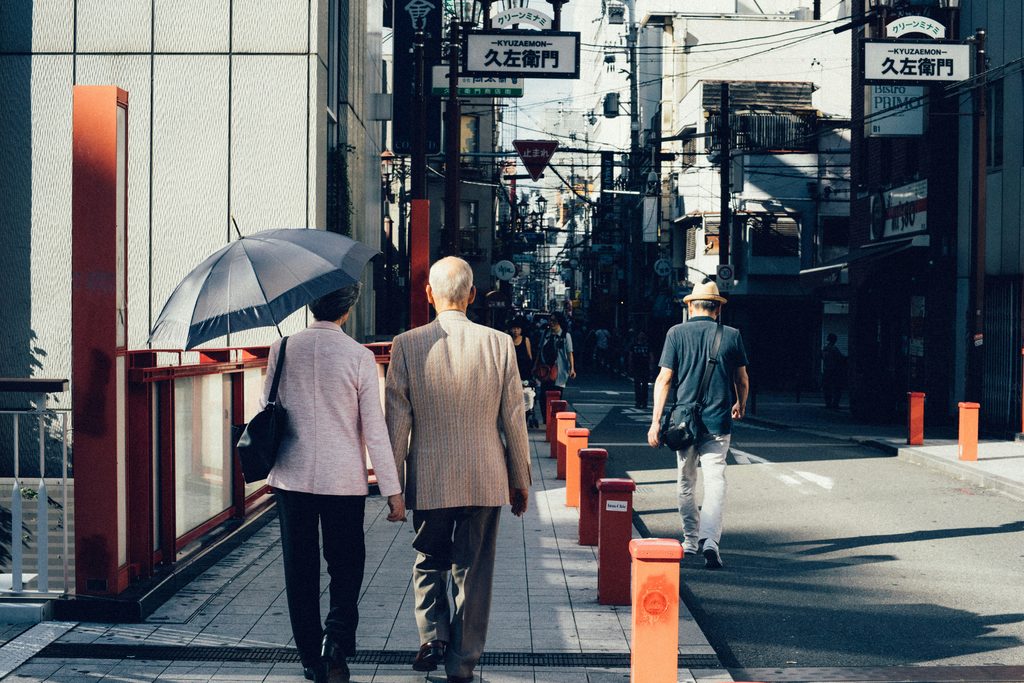
Have you ever found your favorite dish in front of you and kept eating long after you were full?
At first, everything feels satisfying. Soon, your stomach reminds you that even enjoyment has its limits. A little later, you may find yourself visiting the washroom repeatedly, feeling heavy and uncomfortable. The food that made you happy a while ago has suddenly become a burden.
A similar thing can happen when movement disappears from everyday life. Hours pass in a chair, walking becomes rare, and staying indoors starts to feel normal. Gradually, the body may respond with tiredness, stiffness, and low energy.
Sleep can suffer too. We work late into the night, wander around, scroll endlessly, or simply refuse to slow down when the body is asking for rest. The following day may be spent sleeping or taking breaks, yet the fatigue remains. A few extra hours of rest cannot always make up for a routine that has been draining us for days.
And not every kind of tiredness comes from the body.
Conversations become fewer. We keep our thoughts to ourselves. Days can pass without a meaningful exchange, a shared laugh, or the simple comfort of being around people. Before we realize it, isolation can become part of our routine.
Nevertheless, a single meeting can sometimes change the way we feel. We sit with someone, talk about life, laugh together, and share what has been weighing on our minds. We leave the conversation feeling lighter and more refreshed.
These experiences may look unrelated, but they point towards a larger and genuine question:
Could the way we eat, move, rest, connect with others, and spend our days influence not only how we feel, but also how long and how well we live?
Japan offers an intriguing place to explore this question. It has one of the world’s highest life expectancies, while Okinawa has long attracted attention for its exceptionally long-lived population.
There is no single Japanese secret to longevity. How long people live is influenced by many factors, including healthcare, living conditions, genetics, diet, social environment, and everyday behavior.
Still, certain patterns in Japanese life are worth understanding.
The question, therefore, is not only: Why do people in Japan live so long?
It is also:
What can the rest of us learn from the way they live?
Eating Less, Eating Better
Eating less is not necessarily the whole point. Knowing when enough is enough may matter more.
When a person regularly eats beyond what the body needs, the effects may not appear immediately. Over time, excessive eating can contribute to weight gain, sluggishness, and other health problems. Some people may simply feel heavy or sleepy after meals and dismiss it as normal. But when such patterns become part of everyday life, they can gradually affect how actively and comfortably a person lives.
This is where moderation becomes important.
A good diet is not only about filling the stomach. It is also about giving the body a variety of foods and nutrients. Vegetables, fruits, grains, pulses, fish, meat, eggs, soy and other foods can provide different nutrients, including proteins, vitamins and minerals.
Eating a monotonous diet may provide some nutrients while leaving others in short supply. Our bodies need variety, not monotony.
There is an interesting insight that can be understood in relation to agriculture.
If the same crop is grown repeatedly on the same land without proper management, the soil can become depleted of particular nutrients. Crop diversity and appropriate rotation can help maintain healthier soil and support its long-term productivity.
Food works differently because the human body is not soil, but the underlying lesson is worth noticing: diversity can support resilience. A varied diet gives us access to a wider range of nutrients than a monotonous one.
Japan offers an important example of this balance. Its traditional dietary pattern has included a range of foods rather than relying on one food alone. The Japanese Food Guide, for example, groups daily eating around grains, vegetable dishes, fish and meat dishes, milk and fruits while also considering appropriate quantities. Research involving tens of thousands of Japanese adults found that greater adherence to this dietary pattern was associated with lower total and cardiovascular mortality.
That does not mean every Japanese meal is automatically healthy, or that Japanese food itself is a secret to longevity. Food habits differ across generations, regions, and individuals. Geography, climate, local resources and culture also shape what people eat. A dish common in Japan may not be practical or even available in Jammu and Kashmir, just as foods familiar there may be uncommon in Japan.
So, the lesson is not to copy another country’s menu. It is to understand the principle behind it.
Choose variety where possible. Eat according to what is available and suitable for your body and circumstances. Enjoy food, but do not let enjoyment repeatedly push you beyond your limits.
Interestingly, this principle of moderation is not new or exclusive to modern nutrition. Islamic teaching also places significance on avoiding excess in eating. A well-known hadith advises that, when a person must fill the stomach, one-third should be for food, one-third for drink, and one-third for breathing.
Different traditions may express the idea in different ways, but the message is remarkably simple:
Eat with awareness. Choose with variety. Stop before excess becomes a habit.
Perhaps that is one of the most useful lessons we can take from Japan: longevity is not about finding one magical food. It may begin with learning how to live with balance.
Movement Is Part of Everyday Life
You do not always need to set aside an extra hour for exercise. Movement can become part of the life you are already living.
Suppose your workplace is only a short walk from home. Instead of taking a bike or another vehicle every day, why not leave a few minutes earlier and walk? You may save a little fuel, but you also give your body a reason to move.
The same idea can continue at home.
If you have some usable space around your house, you can plant flowers, trees or vegetables and spend a little time caring for them. Gardening may look like a small household activity, but walking around, digging, watering, carrying and tending plants can keep the body engaged. More importantly, such activities can make movement feel natural rather than like another task on a daily schedule.
This is where our attitude matters.
Modern life makes comfort easy. We sit for work, use vehicles for short distances, order things instead of going out, and spend long periods indoors. None of these choices is necessarily wrong. The problem begins when comfort gradually removes movement from our lives.
Japan offers an interesting perspective here. Walking, cycling, household activities, gardening and other forms of everyday movement can become part of ordinary routines, particularly in communities and among older people. Japanese public-health research has also linked regular walking and physical activity with better health outcomes. The broader lesson, however, is not that every Japanese person lives an exceptionally active life. It is that movement does not have to be separated from living.
If you have access to a field, garden or open space, spending time there can be another opportunity to stay active. Working with plants, walking around the land or doing practical tasks engages the body while connecting us with our surroundings.
This is different from saying that structured exercise has no value. Exercise can be important, especially when our daily routines do not provide enough physical activity. But for many people, movement can begin much earlier than the gym.
Walk when walking is practical. Tend something that requires your hands. Take the stairs when appropriate. Move during long periods of sitting. Let your surroundings give your body reasons to stay active.
The goal is not to turn every moment into a workout.
It is to avoid building a life in which the body has almost nothing left to do.
Sometimes, a healthier life begins not by adding another task to our routine, but by changing the way we move through the routine we already have.
Having a Reason to Get Up in the Morning
A life without purpose can feel like moving through water without knowing where the current is taking you. You may keep moving, but you do not always know why or where you are going. Purpose gives direction to that movement. It connects today’s effort with something that matters beyond the moment.
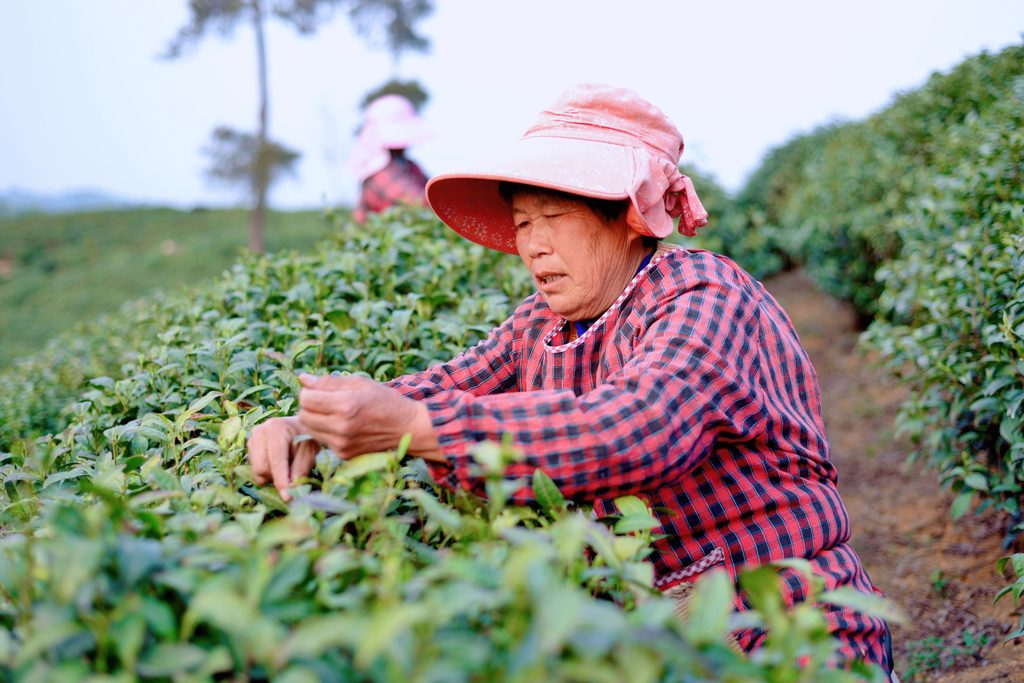
This is one reason the idea of ikigai is interesting when we look at Japan. The word is commonly associated with something that makes life feel worthwhile, gives a person a reason to live, or brings meaning to everyday existence. It does not have to be a grand ambition. It may be found in work, family, learning, creating, caring for others, serving a community, or having something meaningful to pursue.
Research from Japan has explored this connection. A prospective study of 43,391 Japanese adults found an association between having a sense of ikigai, described in the study as a sense that life is worth living, and mortality. This is an association, not proof that ikigai itself causes people to live longer.
But having a purpose is not limited to one Japanese concept.
For some people, the purpose of life is closely connected with faith and an understanding of why they were created. Remembering that purpose can influence how they live, the choices they make, and the responsibilities they take seriously. Becoming more pious, avoiding what one believes is wrong, improving one’s character, and trying to become better each day can all give life direction.
Purpose can also take very ordinary forms. A person may have responsibilities towards their parents, children, students, or community. Someone may want to build something, learn a skill, help others, complete a goal, or become a better version of themselves. These reasons may never appear extraordinary from the outside, but they can give a person’s days structure and meaning.
For me, this is where the idea becomes personal.
My own ikigai is not one destination. It is the desire to learn something every day, improve myself every day, and make life a little better than it was yesterday, both within myself and in the world around me. Learning gives me something to pursue. Improvement keeps me moving. And creating some positive impact or influence on the people and surroundings around me gives that effort a deeper meaning.
That purpose does not make every day easy. There are days when motivation is low, progress feels slow, or the direction becomes less clear. But having something worth returning to can keep a person moving even when the path is difficult.
Your reason may be different.
It may be raising a family, caring for your parents, teaching a child, serving others, living according to your faith, creating something meaningful, learning throughout life, or becoming someone you can respect when you look back.
Your purpose does not need to impress the world.
It needs to mean something to you.
This is one of the deeper lessons behind ikigai. A meaningful life does not necessarily require extraordinary achievements. Sometimes, it begins with knowing what makes your life worth moving forward with.
The Importance of Human Connection
Some days become lighter simply because we meet someone.
You may leave home carrying disappointment or sadness, then run into a familiar face. A few words are exchanged. Someone smiles. You laugh about something small. Nothing outside you have changed, but somehow you return feeling different.
Human beings affect one another in ways that are difficult to measure. A conversation can give us relief. Sharing a problem can make it feel less heavy. Even an ordinary evening spent with family or friends can bring a sense of warmth that a screen cannot quite provide.
The problem is that real interaction can slowly disappear from everyday life.
Relatives may live in different cities. Neighbors may know little about one another. Friends who once met regularly may now speak mainly through messages. We can remain constantly connected through phones while becoming less present in the lives of the people around us.
Japan is useful to consider here, not because Japanese society is free from loneliness or social isolation, but because social participation among older people has been studied closely there. Community activities, hobbies, volunteering and relationships with others have all been examined in relation to healthy ageing. The research does not prove that social participation makes people live longer, but it does make one thing difficult to ignore: how we remain involved with other people’s matters as we grow older.
That idea reaches beyond Japan.
A person does not stop needing companionship because they have grown older. Retirement does not remove the need to feel useful. Living alone does not mean a person has to live disconnected. We may change our roles as we age, but the human need to belong does not disappear.
Technology has given us extraordinary ways to reach one another. But being reachable is not the same as being present.
So, make room for real encounters.
Visit a relative instead of only sending a message. Sit with your parents. Speak to a neighbor. Meet a friend without constantly checking your phone. Share a meal. Listen properly when someone is speaking.
These are small things, but a life is made from small things.
We do not only need people to communicate with. We need people to share life with.
Growing Older Without Withdrawing from Life
Growing older changes many things. The body becomes slower, responsibilities shift, and the work that once filled most of the day may eventually come to an end. But growing older does not mean that everything meaningful has to be left behind.
Some people age in years while keeping their curiosity about life alive. They continue learning, working, helping others, making plans and taking an interest in the world around them. Their bodies may change, but their desire to participate does not necessarily disappear.
The same can be true within a family.
A husband and wife may spend decades together, raising children, facing difficulties and building a life side by side. With age, their responsibilities may change, their health may require more attention, and their pace may become slower. But affection does not have to disappear with youth. They can still talk, support each other, share meals, laugh over ordinary things and enjoy one another’s company.
This matters because ageing is not a separate life that begins when youth ends. It is another stage of the same life.
Japan offers a useful perspective here. As one of the world’s oldest populations, Japan has had to think seriously about ageing and the place of older adults in society. Older people there live very different lives, but some continue working, participating in community activities, pursuing hobbies, caring for family members or remaining involved in things that give their days structure. Research on older Japanese adults has also examined social participation and other forms of engagement in relation to healthy ageing.
The point is not that older people must remain productive at all costs. Nor should we pretend that everyone has the same health, independence or family support.
A meaningful life does not depend on constant productivity.
Someone may teach a child, care for grandchildren, grow plants, learn something new, volunteer, meet friends or simply spend more time with the people they love. These may seem like ordinary activities, but ordinary things can carry great meaning when they keep a person connected with life.
Ageing is part of the human life cycle. It may change our strength, appearance, responsibilities and pace, but it does not have to separate us from our purpose, our relationships or our capacity to care.
The years may add age to the body. They do not have to take life away from the heart.
Keep Life Simple and Sustainable
A simple life is not necessarily a life of simple clothes, simple meals or never going anywhere. Nor does it mean giving up comfort, ambition or the things we enjoy.
Simplicity begins much deeper than that.
It can be found in the way we think, the intentions we carry, the expectations we place on ourselves and others, and the choices we make each day.
A person may own very little and still live with a restless mind. Another may have many possessions and remain content, generous and grounded. The difference is not always what we have. Sometimes, it is how much we allow what we have to control us.
This is where gratitude becomes important.
Being satisfied with what we have does not mean that we should stop improving our lives. We can have goals and still be grateful. We can work for something better without treating our present life as worthless. And when something remains beyond our reach, we do not have to turn its absence into a permanent source of dissatisfaction.
Not having everything we want does not mean that we have nothing to be thankful for.
This way of thinking can also change how we consume. We do not need to reject modern life, travel, technology or good things. The question is whether we are choosing them consciously or constantly chasing more because what we already have never feels enough.
That is where simplicity meets sustainability.
When we learn to value what we have, we may become less wasteful with our possessions, food, money, time and natural resources. We may repair something instead of immediately replacing it, use what we already own, and think twice before turning every desire into a purchase.
Japan can be considered here without turning its culture into a formula for longevity. Its experience reminds us that a country’s way of living is shaped by history, culture, geography and changing economic conditions. There is no single Japanese lifestyle that everyone follows.
The lesson is broader than Japan.
A simple life is not about having less for the sake of having less. It is about needing less to feel that life is enough.
And when the mind stops constantly asking for more, there may be more room for gratitude, relationships, purpose and peace.
What Gives Your Life Meaning?
We have spent much of this article looking at Japan. But the most important question may not be about Japan at all.
What gives your life meaning?
Life begins to feel more meaningful when we understand what it means to us.
Living longer gives us more time, but it does not decide what we do with that time. A meaningful life can be built around family, faith, learning, teaching, creating, serving others, caring for someone we love, or simply becoming a better person than we were yesterday.
It does not have to look extraordinary from the outside.
For one person, meaning may be found in family. For another, it may grow through work, creativity, service, friendship, or the simple act of being there for someone who matters. What feels deeply meaningful to one person may seem ordinary to another.
This is where the idea of ikigai returns. You do not need to adopt a Japanese way of life or find one perfect answer. What gives life meaning can change as we grow, as our responsibilities change, and as we enter different stages of life.
The values we choose to live by also shape that journey. Gratitude, compassion, responsibility, honesty, learning, and self-improvement can give purpose a deeper foundation. You can explore this further through the values that shape a meaningful life.
So, before you move on, ask yourself:
What is your ikigai?
What gives you a reason to get up, keep learning, keep improving, and keep moving forward?
You do not need a perfect answer.
You only need something that makes your life feel worth living.
If you have found it, share your ikigai in the comments. Your answer may give someone else a reason to pause and think about their own life.